
Artificial grass has gained popularity among many homeowners because of its low maintenance requirements and aesthetic charm.
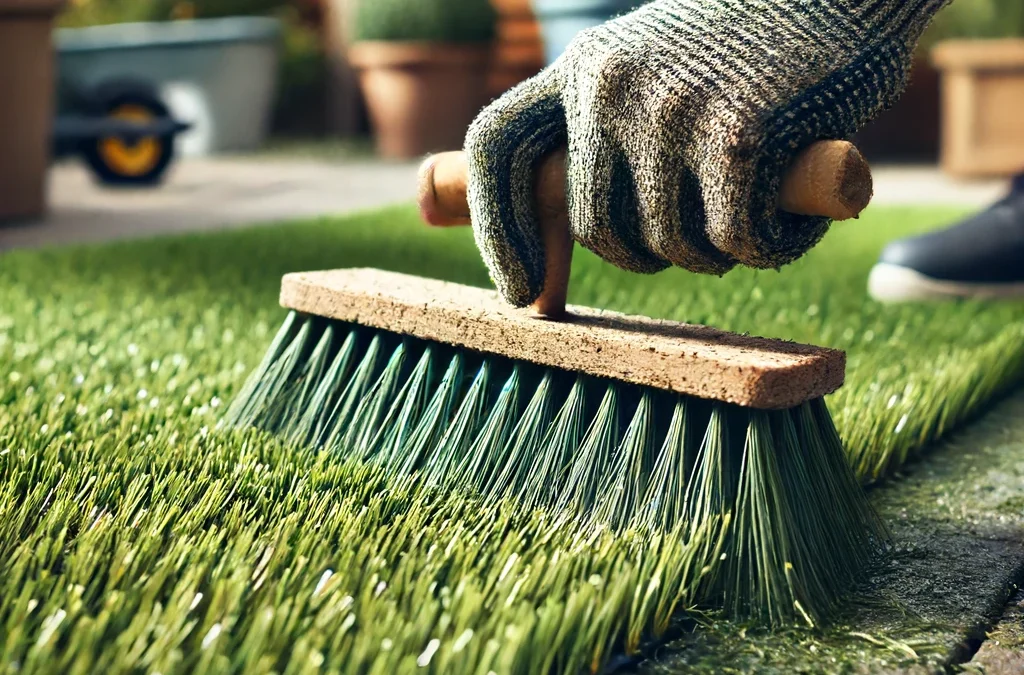
Regular brushing plays a crucial role in maintaining the health of your artificial grass. In this article, we will delve into the significance of brushing artificial grass, the advantages it offers, the recommended frequency for brushing artificial grass, as well as the optimal techniques and tools to use.
Additionally, we will discuss common mistakes to avoid in order to prevent any potential damage to the artificial grass.
Understanding Artificial Grass
Understanding Artificial Grass involves grasping the synthetic alternatives to natural lawns designed to be durable, beautiful, and low maintenance in outdoor spaces.
Synthetic grass is engineered to withstand the elements, allowing for the creation of lush green landscapes that remain verdant year-round. Its durability ensures long-term aesthetics without the need for regular watering, mowing, or fertilisation.
The natural appearance of artificial turf often leads people to mistake it for real grass, enhancing the greenery of urban environments. Its versatility enables installation in a variety of outdoor settings, from private gardens to commercial landscapes, enhancing the attractiveness and functionality of outdoor spaces.
What is Artificial Grass?
Artificial Grass, also known as synthetic turf or fake grass, is a man-made alternative to natural grass lawns designed to mimic the look and feel of real grass while offering enhanced durability and requiring minimal maintenance.
Made from synthetic fibres such as polyethylene, nylon, or polypropylene, artificial grass is UV resistant and can withstand harsh weather conditions without fading or deteriorating like natural grass. Its consistent, year-round appearance enhances the visual appeal of outdoor spaces, gardens, and landscaping, providing a uniformly green surface that eliminates the need for mowing, watering, or fertilising.
Being pet-friendly, artificial grass allows for easy removal of pet waste and prevents the formation of holes or discolouration that can result from pets playing on it.
Benefits and Maintenance
The advantages of artificial turf include greater durability, uniform appearance, and improved hygiene in outdoor areas, which is why regular care and maintenance are needed to maximise its lifespan.
Regular grooming of artificial turf helps maintain the appearance of the turf and prevents the accumulation of debris and dirt. Simple tasks such as brushing the turf to lift the fibres and clearing any leaves or small branches help protect the artificial turf’s attractiveness.
Periodically spraying the turf or cleaning specific spots with mild soap and water ensures the surface is clean and resistant to staining, creating a healthy setting for outdoor activities and play.

Importance of Brushing Artificial Grass
Brushing artificial grass is essential as it grooms the blades, removes debris and dirt, and maintains a flawless appearance. Regular brushing not only enhances the aesthetic appeal but also safeguards and upkeeps the lawn.
By routinely brushing artificial grass, you can eliminate and prevent the accumulation of debris, leaves, and other materials that may degrade its natural look. Grooming the blades assists in preserving the structure and integrity of the synthetic fibres, sustaining the lawn’s lush and vibrant appearance.
Regardless of lawn maintenance, it is subjected to foot traffic and various stressors that can cause the blades to become trampled or matted. Brushing revitalises these fibres, resulting in a fuller, more natural appearance.
This proactive maintenance minimises the risk of long-term damage caused by debris accumulation and promotes better drainage and aeration, ensuring the longevity of the artificial turf.
Why Brushing is Necessary
Brushing artificial grass is essential as it effectively grooms the fibres, eliminates debris and dirt, and contributes to preserving the lawn’s longevity. This practice is crucial for safeguarding and upholding the quality of the synthetic turf.
Regularly brushing artificial grass is key to preventing matting and flattening of fibres that can result from foot traffic and weather conditions over time. Brushing helps to loosen compacted areas and encourages the blades to stand upright, refreshing the lawn’s appearance and maintaining its fullness.
Additionally, brushing aids in debris removal, preventing the accumulation of organic matter, moss, or algae that could harm the aesthetics and health of the artificial turf. This grooming regimen significantly enhances the longevity and natural appearance of artificial grass.
How Often to Brush Artificial Grass
The frequency of brushing artificial grass depends on its usage, climatic factors, and overall maintenance regime. Regular brushing can be conducted daily, weekly, fortnightly, monthly, seasonally, or annually as necessary to preserve the appearance and longevity of artificial grass.
High-traffic areas may require daily brushing, while low-traffic areas can be brushed less frequently. In regions with significant rainfall, regular brushing can help prevent matting and reduce the risk of mould growth. Daily brushing is advised for high-traffic areas, while weekly or fortnightly brushing is adequate for low-traffic areas.
For optimal maintenance, a thorough monthly brushing is beneficial to keep the fibres upright and evenly distributed. Seasonal maintenance, such as a deeper clean every three to six months, is crucial for prolonging the lifespan of artificial grass.
Factors to Consider
Various factors such as weather conditions, sunlight exposure, rainfall, snowfall, foot traffic in high-use areas, and the presence of pets or children impacting the lawn’s cleanliness and appearance all play a role in determining the frequency at which artificial grass should be brushed.
Weather conditions are the primary factor influencing the brushing frequency of artificial grass. In regions with high rainfall, regular brushing is essential to prevent water accumulation on the surface and facilitate proper drainage, crucial for preventing mould or mildew growth. Similarly, artificial grass in areas prone to frequent snowfall requires more frequent brushing to expedite the melting process and ensure effective drainage, thus preventing mould and mildew growth. In locations with high sunlight exposure, grass blades may flatten, necessitating more frequent brushing to uphold a lush and natural appearance.
Sections with heavy foot traffic, particularly where pets or children play, should be brushed more often to avoid matting and ensure even distribution of the infill material.
Best Practices for Brushing Artificial Grass
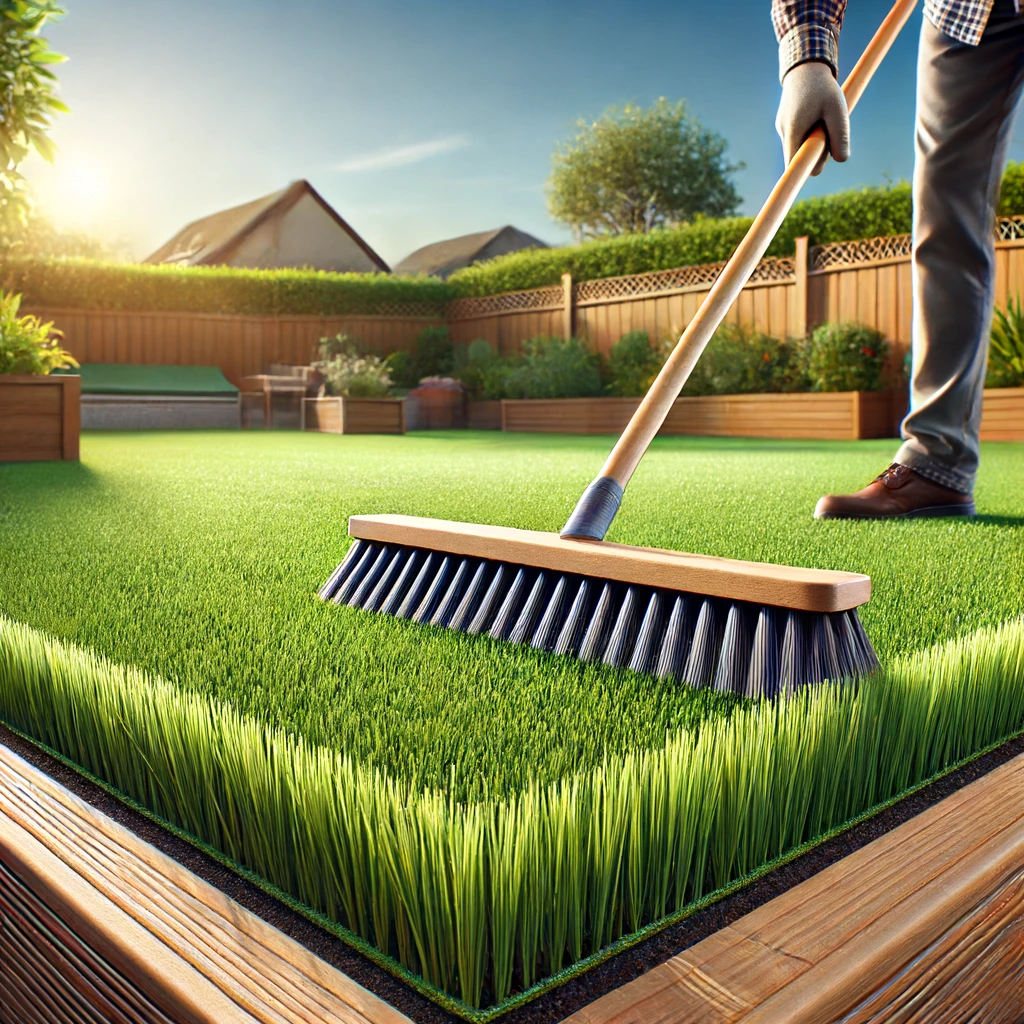
The best practices for brushing artificial grass involve using correct techniques and tools recommended by experts for effective grooming and care. Professional advice is essential to ensure the longevity and aesthetic upkeep of an artificial lawn. Utilising proper brushing techniques is crucial in preventing matting and maintaining a lush, natural appearance.
Experts often advise brushing the turf in various directions to lift the fibres and prevent compaction. Specialised tools like synthetic grass brooms with soft bristles are ideal for regular maintenance. Seeking guidance from professionals can help customise a maintenance routine that meets the specific needs of your synthetic lawn, ensuring its vibrancy and durability throughout the seasons.
Recommended Techniques and Tools
Proper care and maintenance of artificial grass require the use of recommended techniques and tools. Professional advice can guide in selecting the appropriate equipment and methods to ensure that synthetic turf remains in good condition and retains its appearance. These recommendations play a crucial role in prolonging the lifespan of synthetic turf and preserving its aesthetic appeal.
Essential tools for maintaining artificial grass include synthetic grass rakes, power brooms, and leaf blowers, specifically designed for cleaning and grooming synthetic turf. These tools aid in debris removal, infill leveling, and enhancing the overall look of artificial grass. Adhering to the recommended techniques tailored to the specific type of synthetic turf enables homeowners to achieve their durability and appearance objectives.
Common Mistakes to Avoid
Avoiding common mistakes in brushing artificial grass is crucial to prevent damage and premature wear and tear, which can diminish the quality, functionality, and aesthetic appeal of synthetic turf. By steering clear of these errors, you can uphold a beautiful and healthy outdoor environment.
One prevalent mistake is using bristles that are too harsh when brushing artificial grass, as this can lead to fibre fraying and potential damage to the synthetic turf. It is also essential not to brush too forcefully, as this can cause premature wear and tear.
Failing to remove debris before brushing is another mistake to avoid, as it can become lodged in the turf and create unnecessary friction. Employing proper brushing techniques will help ensure that your synthetic grass remains healthy, clean, and visually appealing for many years to come.
How to Prevent Damage
Preventing damage to artificial grass involves implementing eco-friendly and sustainable practices that minimise the environmental impacts of maintenance. By eliminating potential harm and providing proper care, you can maintain a green and well-preserved outdoor area.
Using organic fertilizers and natural pesticides ensures the health of your artificial grass without introducing harmful chemicals into the environment. Regular removal of debris and leaves helps preserve the appearance of your lawn and prevents potential damage from accumulated waste.
Consistent brushing and aerating enhance the turf’s lifespan by preventing matting and facilitating proper drainage. These environmentally-friendly maintenance practices not only benefit the synthetic lawn but also contribute to a more sustainable outdoor living environment in general.
Recent Comments