

For homeowners seeking a low-maintenance and aesthetically pleasing outdoor space, artificial grass is a popular choice. This article discusses the benefits of artificial grass for homeowners, maintenance tips, and provides alternative landscaping ideas for those who prefer natural grass.
Whether you are considering installing artificial grass or maintaining your existing artificial lawn, this article offers the essential information you need.
Understanding Artificial Grass
To understand artificial turf, one needs knowledge of its components, benefits, and proper maintenance procedures to ensure that it endures and looks good.
What is Artificial Grass?
Synthetic turf, commonly referred to as artificial grass, is a surface made of synthetic fibres that emulate the look of natural grass. It finds extensive applications in landscaping projects, sports fields, residential lawns, and commercial areas due to its durability and minimal maintenance requirements.
Artificial grass maintains a lush green appearance throughout the year without the need for watering, mowing, or fertilisation. It is UV-resistant, preserving its colour for many years, making it ideal for regions with intense sun exposure. Additionally, artificial grass is pet-friendly, non-toxic, easy to clean, and contributes to water conservation, thus serving as an environmentally sustainable landscaping solution in contemporary settings.

Benefits of Artificial Grass
Artificial grass offers several benefits, including enhancing the aesthetics of a property and serving as a low-maintenance, durable alternative to natural grass lawns.
Advantages for Homeowners
Artificial grass offers numerous advantages for homeowners, requiring minimal water, low maintenance, and providing year-round greenery to enhance outdoor aesthetics. Homeowners benefit from artificial grass in the following ways:
- Water savings: By installing artificial grass, homeowners can reduce their water bills as it eliminates the need for constant watering. This not only saves money but also contributes to water conservation efforts.
- The positive aesthetics of artificial turf, along with its practical benefits, can increase home values.
- Additionally, its pet-friendly surface is durable, easy to maintain, and can be regularly hosed down and disinfected with safe chemicals, making it a convenient choice for households with pets.
Things to Avoid Putting on Artificial Grass
To maintain the integrity and appearance of artificial grass, avoid placing harmful substances, heavy objects, and fire sources on the synthetic turf.
Chemicals and Substances to Avoid
It is important to avoid harsh chemicals, oils, paints, and other staining materials on synthetic grass as they can cause unnatural discolouration and damage the synthetic fibres. Chemicals like motor oil, petrol, and industrial-grade solvents can penetrate the synthetic material, leading to degradation of the product over time. Pet urine and faeces can also cause staining and promote bacterial growth.
To prevent such damage to your artificial turf, the industry recommends using gentle cleaning solutions such as mild soap and water. In case a stain is stubborn, a mixture of vinegar and water is often effective for removal without causing harm. Avoid using bleach or ammonia-based products as they can cause irreversible damage.
Heavy Objects and Equipment
Avoid placing heavy furniture, equipment, or objects on artificial grass as they can compress the turf fibres and permanently damage the sub-base. Instead, distribute the weight evenly by using appropriate bases or platforms for heavy items, such as plywood or portable decking tiles. This practice will safeguard the synthetic turf, reduce depressions, and prevent indentations.
Following these methods will prolong the lifespan of your artificial grass and preserve its aesthetic appeal. You can also use furniture pads or coasters under the legs of heavier objects to disperse pressure effectively. Proper positioning of heavy items is crucial for maintaining the integrity of your artificial grass installation.
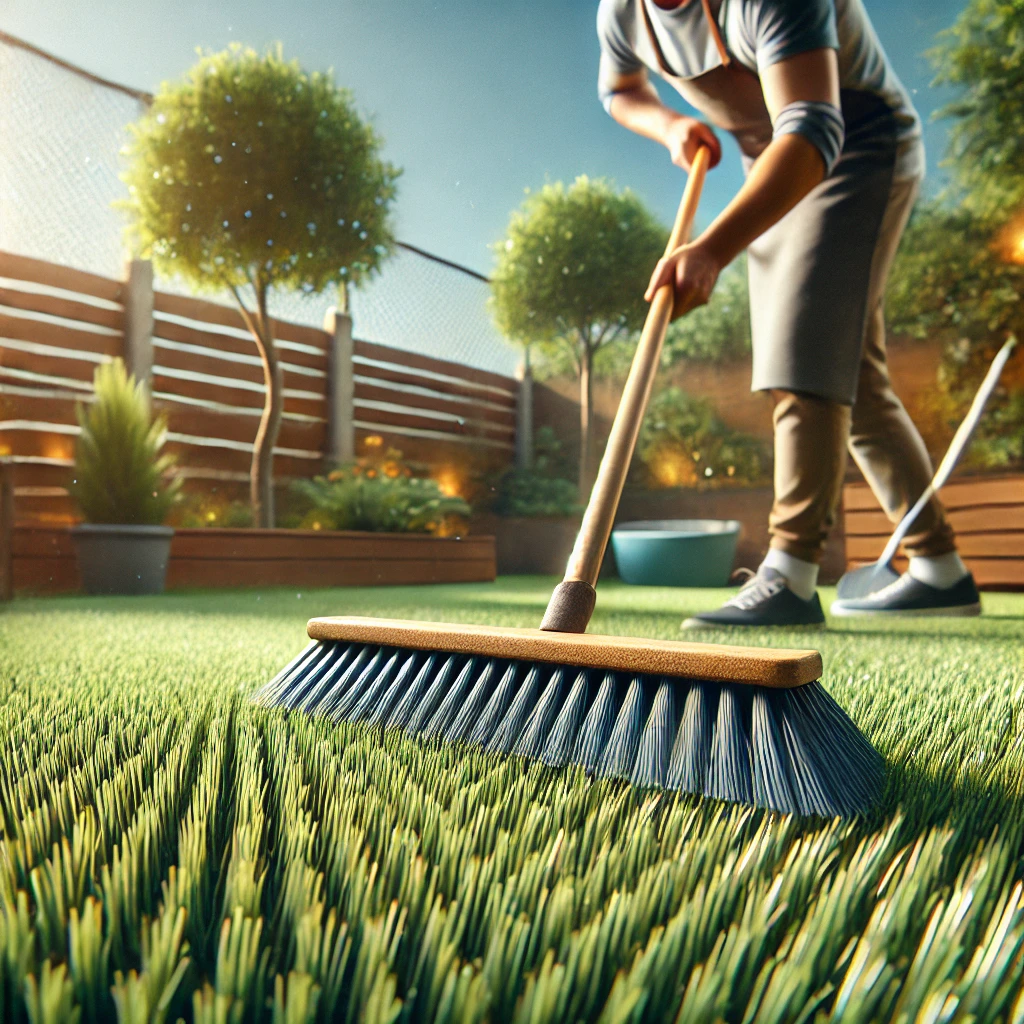
Maintaining Artificial Grass
Proper maintenance of artificial grass involves regular cleaning, grooming, and the use of suitable care products to ensure that the grass maintains its appearance and integrity.
Proper Cleaning and Care
Using safe and biodegradable cleaning products for regular artificial grass maintenance helps preserve the integrity of the synthetic fibres and the turf’s colour and texture. It is advisable to opt for gentle cleaning agents that are both safe and biodegradable, specifically formulated for artificial grass cleaning.
Events like kids’ parties, where food, drinks, and outdoor activities can lead to more spills and mess, highlight the importance of regular cleaning. Harsh detergents can degrade the fibres, resulting in fading and a worn-out appearance over time. Non-toxic solutions are recommended for effectively removing dirt, debris, and stains while being gentle on the turf. Thoroughly rinsing the turf after cleaning is essential to ensure no soap residue is left behind.
By adhering to these care and maintenance practices and selecting appropriate products, you can maintain the quality and aesthetic appeal of your artificial grass for years to come.
Alternatives to Artificial Grass
Alternative options to artificial grass include natural grass landscaping, xeriscaping designs, and unique aesthetic landscaping projects that focus on sustainability.
Natural Grass Options
Natural grass options provide an outdoor space alternative to artificial turf, offering a traditional and eco-friendly choice. They require appropriate maintenance and care, utilising no chemicals or non-biodegradable matter. Maintenance of natural grass involves effective weed control, proper fertilisation, and efficient irrigation methods to create a beautiful, healthy lawn that enhances the aesthetic appeal of outdoor spaces and promotes biodiversity.
The use of weed killers and non-biodegradable materials can lead to environmental contamination, negatively impacting soil and nearby water sources. To support the long-term health of the lawn and the surrounding environment, sustainable options such as organic weed control methods and biodegradable fertilisers should be prioritised.
Other Landscaping Ideas
Diversifying landscaping ideas beyond traditional lawns involves incorporating sustainable materials, native plants, and eco-friendly designs to create functional and aesthetically pleasing outdoor spaces. An innovative approach gaining popularity is eco-friendly hardscaping, which focuses on using materials like permeable pavers or recycled stone to minimise environmental impact.
Rain gardens provide a practical solution for managing stormwater runoff by employing native plant species that naturally absorb excess water. By integrating these elements, the overall beauty of the landscape is enhanced while also contributing to environmental sustainability. It is essential to avoid harmful substances such as vehicle fluids and opt for organic fertilizers to maintain a healthy balance in landscaping projects.
Recent Comments