

This article will introduce you to the importance of sand in artificial grass by explaining the function of sand infill, identifying potential problems that may arise without it, and exploring alternative options.
Detailed instructions on the proper installation of sand infill and guidance on maintaining your artificial grass will also be provided to ensure optimal functionality.
By reading this article, you will gain a better understanding of the essential role that sand plays in artificial grass systems.
The Importance of Sand in Artificial Grass
Sand in artificial grass installation is crucial as it plays a significant role in creating a solid and well-draining foundation for synthetic turf, preventing potential issues that may arise when this foundation is lacking. By evenly distributing weight across the artificial grass, sand helps to prevent any wrinkling or unevenness. It also aids in securing synthetic fibers in place, ensuring they maintain their shape and do not shift or displace over time. This contributes to increased longevity and lower maintenance costs. Before artificial grass installation, sand is a vital component of ground preparation, guaranteeing that the turf functions effectively throughout its intended lifespan.
What is the Purpose of Sand?
Sand is utilised in artificial grass installation to serve as a foundational element, creating a stable base for the synthetic turf. This facilitates proper drainage and helps prevent issues arising from an uneven surface or inadequate compaction.
Sand infill plays a crucial role in extending the lifespan of artificial grass. By filling the gaps between the turf blades, sand supports the fibres, preventing matting and premature wear. The even distribution of weight helps maintain the fresh and new appearance of the artificial lawn.
Well-infilled sand assists in preserving the natural look and feel of the artificial grass, ensuring a durable and structured landscape for outdoor activities.
Potential Problems Without Sand
Choosing to install artificial grass without sand infill can lead to various issues that impact the performance and quality of the synthetic turf. These include improper drainage, decreased durability, and poor aesthetics, which can result in the installation underperforming and not meeting the expected lifespan of artificial grass.
Improper drainage occurs when water is unable to drain efficiently off the artificial grass surface without sand infill, leading to potential pooling and the growth of mould and mildew. These contaminants pose health risks to people and pets, while water pooling accelerates the breakdown of artificial grass fibres.
Additionally, without sand infill for support, the turf may become uneven over time, creating tripping hazards and losing its smooth appearance, thus experiencing premature wear and tear that reduces its longevity.
Effects on Drainage and Durability
The absence of sand from artificial grass installation can have negative consequences for drainage and long-term durability. A lack of sand infill can lead to water pooling, indicating potential drainage issues that can result in soil shifting, weed growth, and bare patches. Addressing these problems promptly is essential to maintain the artificial turf’s longevity.
Water pooling caused by inadequate drainage can penetrate the lower layers, causing soil erosion and destabilising the surface. Stagnant water provides an ideal environment for weed growth, which can compete with the artificial grass and create unsightly patches. Ensuring proper drainage maintenance is crucial to preserve the aesthetics and functionality of artificial grass over an extended period.
Impact on Aesthetics and Performance
The lack of sand infill negatively impacts artificial grass installation, aesthetics, and performance. Without an appropriate sand base, the surface may become uneven, leading to compaction issues and potential root penetration, all of which diminish the appearance and usability of the artificial turf.
The absence of sand infill can result in underperformance, causing synthetic grass to lose its structural integrity and creating an uneven surface that hinders smoothness maintenance for various activities. Compaction problems arising from the lack of sand infill can diminish cushioning and impact absorption, posing safety risks for users during recreational use.
Furthermore, the risk of root penetration due to inadequate sand infill jeopardises the turf’s durability, reducing its overall lifespan and performance.
Alternative Infill Options
Whilst sand is commonly used as infill material in artificial grass, alternative infill materials offer comparable stability, aesthetics, and durability. These alternatives present cost-effective solutions for various landscaping projects.
Examples of alternative infill materials include recycled rubber crumbs, known for their excellent shock absorbency and longevity. Cork infill is another sustainable option that offers a natural aesthetic and benefits in temperature regulation. Acrylic coated sand infill is recognised for its superior drainage properties and resistance to bacteria growth, making it a more hygienic choice.
These alternative infill materials can be strategically utilised in landscaping projects to enhance both the visual appeal and functionality of artificial grass.
Comparing Different Types of Infill
Alternative infill options for artificial grass can be categorised based on their unique properties such as stability, aesthetics, longevity, and cost-effectiveness. Different materials offer different benefits and can be selected according to specific landscaping needs and preferences.
For instance, sand infill is known for its excellent stability, making it suitable for high-traffic areas. Rubber infill, on the other hand, provides enhanced shock absorption and is commonly used in sports fields. Organic infill choices like cork or coconut are biodegradable and offer a more environmentally friendly option with natural aesthetics. Zeolite infill helps reduce odours and is often used in pet areas.
By understanding these distinctive properties, homeowners and landscapers can make informed decisions to maximise the performance and appearance of their artificial turf.

How to Properly Install Sand Infill
The installation of sand infill is a crucial step in ensuring the strength, durability, and optimal performance of artificial grass. A well-installed artificial grass system includes a properly laid and compacted base, carefully chosen and compacted sub-base materials, and even distribution of sand infill for both functional and aesthetic purposes.
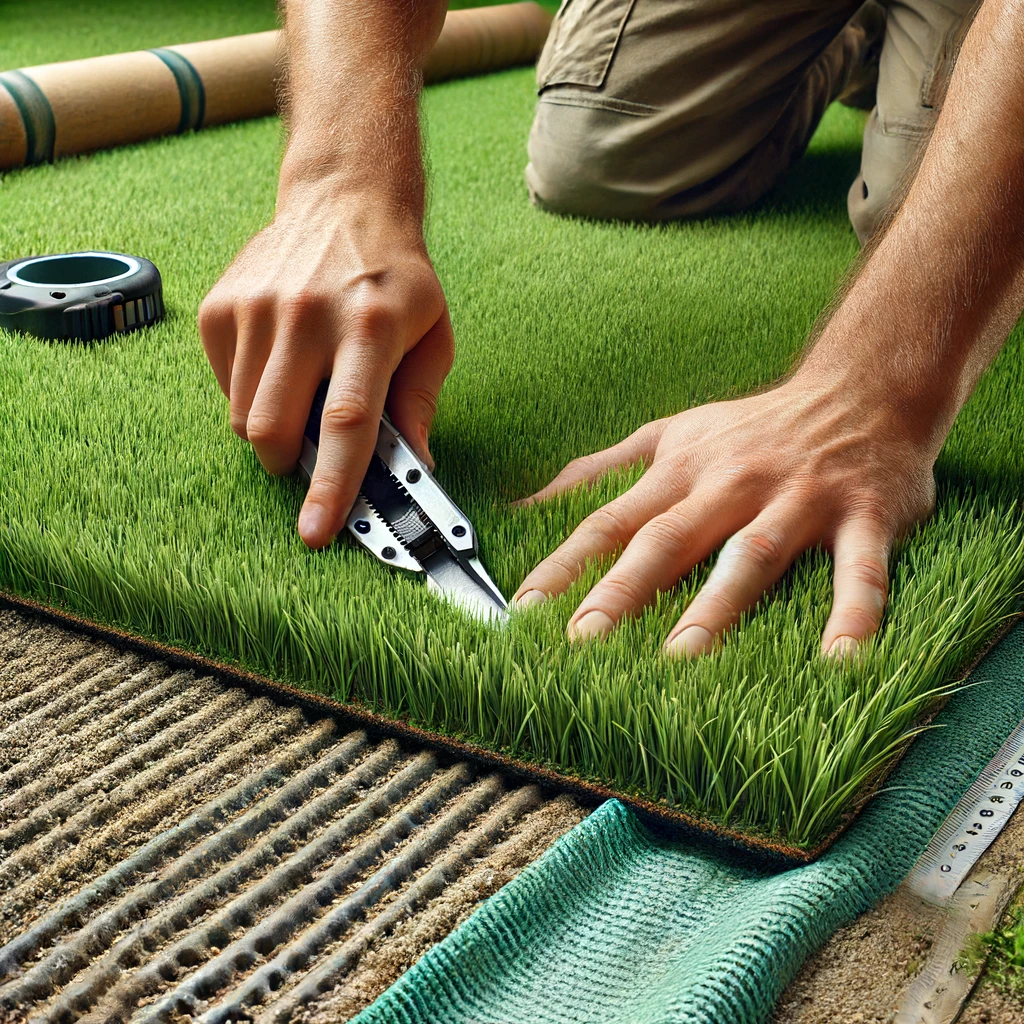
The installation process begins with preparing the area where the artificial grass will be placed, ensuring the ground is level, cleared of debris, and free from any irregularities. A geotextile membrane is then laid to prevent weed growth and facilitate drainage. The selected sub-base material is added and compacted to establish a solid foundation for the artificial grass.
Once the sub-base is prepared and compacted, the sand infill is evenly distributed across the turf, either using a drop spreader or a shovel. Brushing the sand into the turf helps it reach the roots of the artificial grass, enhancing strength and providing a more natural appearance to the surface. Regular brushing and maintenance of the sand infill are essential to preserve the longevity and performance of your artificial grass surface.
Step-by-Step Guide for Installation
For the correct installation of sand infill in artificial grass, a step-by-step guide is essential to ensure stability, aesthetic appeal, and longevity of the synthetic turf. A comprehensive guide, detailing each stage from foundation preparation to base compaction and infill material distribution, guarantees that every aspect of the installation process is followed for the creation of a durable and visually pleasing landscaping solution.
- Proper preparation of the foundation sets the stage for the installation, followed by the crucial step of ensuring thorough base compaction to provide a stable surface for the artificial grass.
- Adequate compaction helps prevent uneven settling, avoiding issues such as wrinkles or uneven surfaces on the turf.
- Once base compaction is completed, the next task is to evenly distribute the infill material across the artificial grass surface. This process not only anchors the turf but also supports the blades, enhancing the natural appearance and feel of the artificial grass.
Maintaining Artificial Grass with Sand Infill
Regular maintenance of artificial grass with sand infill involves several essential tasks and processes that significantly impact the long-term performance and quality of artificial grass. Proper cleaning routines, checking infill levels, addressing issues promptly, and avoiding damaging practices are all integral parts of a comprehensive maintenance regimen.
Cleaning is a fundamental aspect of artificial grass maintenance with sand infill. It is crucial to regularly remove debris, leaves, and pet waste to prevent mould and bacteria growth. This can be accomplished using a plastic rake, leaf blower, or regular sweeping. Raking the sand infill every couple of weeks is important to prevent mould and bacteria growth on the sand and to keep the artificial grass blades upright. Using stiff bristle brushes to brush the turf fibres helps maintain their shape and direction, preventing matting of the fibres.
Regular checks of infill levels are necessary to ensure there is an adequate amount of infill for proper drainage. Ideally, artificial grass with sand infill should have a minimum of 1.5 to 2 inches of sand. Inadequate levels of infill can lead to poor drainage, potential flooding, increased matting, and reduced turf lifespan.
Periodically inspecting the artificial grass is important to address any issues promptly and prevent further damage. Signs of wear or damage on the infill and artificial grass backing should be monitored closely. RTE Fabrications recommends brushing the artificial grass blades to maintain their fluffiness and remove trapped debris, such as leaves and branches, to prevent mould, bacteria, and insect growth.
To maintain artificial grass with sand infill, it is essential to avoid certain practices, including high-pressure washing, using hot water, bleach, or vinegar for cleaning, using brushes with metal spokes that can damage the turf, creating concentrated edges that may cause spillage, burning items on the artificial grass, and storing, playing, or parking vehicles on the artificial grass.
Tips for Keeping Your Artificial Grass in Top Condition
Maintaining the quality of artificial grass requires proactive maintenance strategies. Regular inspection for premature wear, timely resolution of drainage issues, and adherence to a maintenance plan are essential for enhancing the lifespan and aesthetic appeal of artificial landscaping projects.
Vigilance and routine inspections of artificial turf help quickly identify and address visible signs of damage, tearing, discoloration, or unevenness. Proper drainage is crucial to prevent standing water that can lead to mould or mildew growth.
A consistent maintenance schedule with appropriate care and cleaning techniques, including gentle cleaning and addressing high-traffic areas, ensures that artificial grass remains visually pleasing and durable against the impact of foot traffic.
Recent Comments