

This comprehensive guide provides a detailed breakdown of each step required to install artificial grass and turf in your yard. It includes instructions on assessing the suitability of a yard or area for artificial grass, measuring and calculating the necessary materials, removing existing grass and debris, leveling and compacting the ground, establishing a proper base layer, securely laying the artificial grass, and maintaining and caring for it.
The article offers thorough explanations and guides readers through the entire process, making it suitable for both DIYers and professional artificial grass installers.
Benefits of Using Fake Grass
Fake grass offers several benefits, including providing a lush aesthetic without the need for constant maintenance and its eco-friendly nature, making it a popular choice in landscaping solutions.
One eco-friendly advantage of fake grass is its ability to conserve water by eliminating the necessity for regular watering, which is particularly beneficial in regions prone to drought. Additionally, it helps reduce the use of harmful pesticides and fertilisers.
Fake grass maintains its vibrant green colour year-round, ensuring a consistently beautiful landscape. Its durability and minimal maintenance needs make it a cost-effective and visually appealing option for various outdoor spaces.
Assessing the Area for Installation
Before installing artificial turf, the most important step is to assess the site-specific conditions. This assessment is crucial for proper ground preparation and successful installation, ultimately enhancing the aesthetics of your outdoor area.
Measuring and Calculating Materials
Accurate measurement and calculation of materials are essential during the installation of artificial grass to ensure the cost-effective use of materials and the successful completion of the project. Precise measurements not only determine the amount of artificial grass required but also guide the selection of suitable base materials, such as crushed rock, decomposed granite, and class II road base. Each type of base material offers unique advantages based on factors like drainage, stability, and budget considerations. Understanding these options enables individuals to make informed decisions that align with the specific needs of their project.
For those seeking to reduce costs, DIY artificial grass installations can be considered if they possess the necessary skills and tools to execute the work accurately.
Removing Existing Grass and Debris
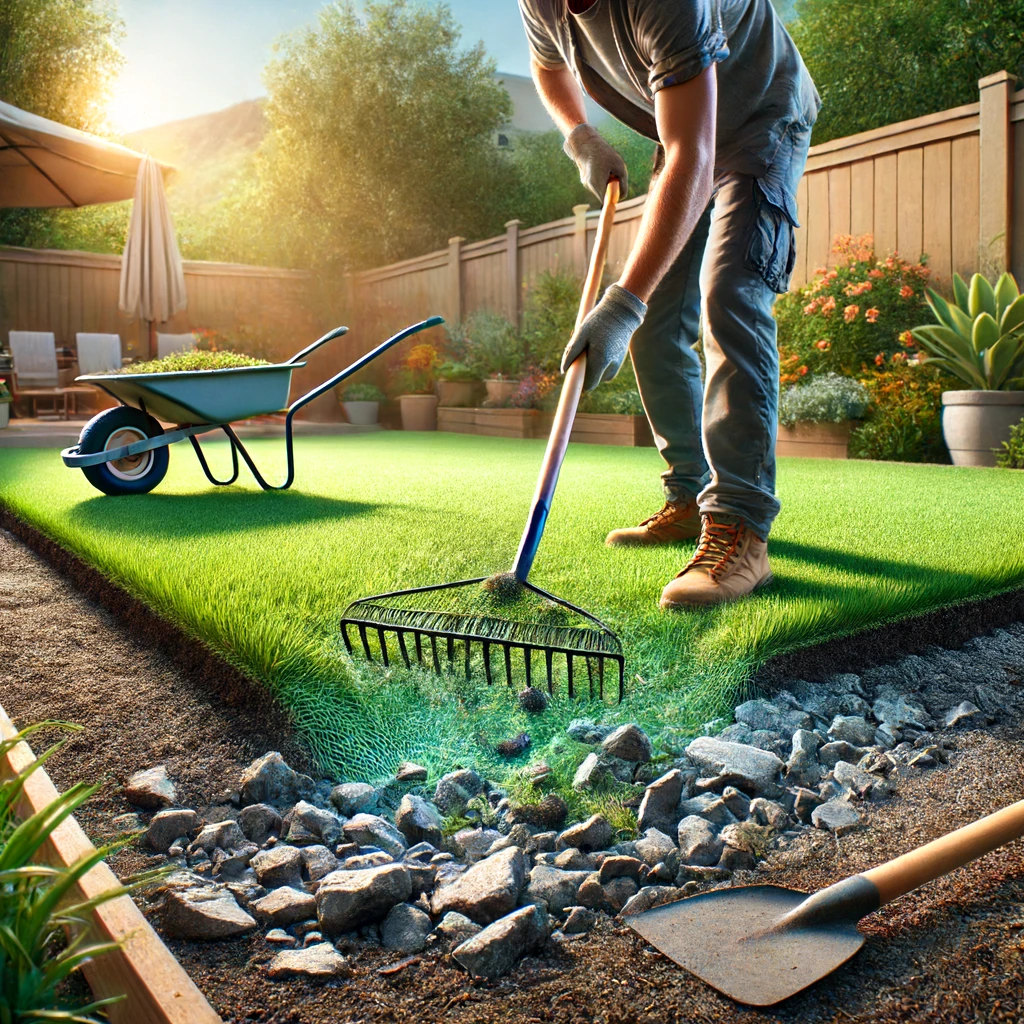
- The initial step in preparing the ground for installing artificial grass involves removing the existing grass and any debris present.
Methods for Clearing the Area
Preparing the area for artificial grass installation includes steps such as installing a weed barrier, compacting the soil, and defining borders and edges to create a well-defined outdoor space.
A crucial step in this process is installing a high-quality weed barrier to prevent weed growth and maintain the uniform appearance of the artificial lawn. Compacting the soil beneath the artificial grass is vital for effective drainage and to establish a stable foundation. Adding defined borders and edges enhances the aesthetic appeal of the space, providing a polished and professional look.
Leveling and Compacting the Ground
Both levelling and compacting the ground are crucial steps in the installation of artificial grass. Properly levelling and compacting the soil are essential for establishing a solid foundation for synthetic grass.
Tools and Techniques for Preparing a Smooth Surface
Tools and techniques such as a compacting machine, rake, and shovel are utilised to prepare a smooth surface for the installation of artificial grass by ensuring proper levelling and soil compaction. The compacting machine is typically employed as the initial step to adequately compress the soil, establishing a stable base for the artificial turf. Following soil compaction, the surface is levelled using a rake and shovel to eliminate any bumps or irregularities.
This meticulous process requires time and attention to detail to ensure the surface is even and devoid of imperfections. Utilising the compacting machine, rake, and shovel correctly enables the creation of an optimal surface for successful installation of artificial grass.
Installing a Base Layer
The installation of the base layer is the second most crucial step in laying artificial grass. Selecting and installing the right base materials, such as gravel or sand, is essential to establish a sturdy foundation for the synthetic grass.
Types of Base Materials and How to Lay Them
Selecting appropriate base materials for the installation of artificial grass is crucial. Understanding the various types of base materials and how to properly lay them can enhance the longevity and durability of the artificial grass surface.
One common choice for base material is decomposed granite, known for its superior drainage and stability. Crushed rock is also a popular base material as it offers support and helps even out high and low spots on the artificial grass surface.
When preparing the base, it is essential to compact it thoroughly to prevent the artificial grass from sagging or shifting with time. Utilising a weed barrier fabric before installation can help minimise weed growth, preserving the appearance of the synthetic grass and reducing maintenance needs.
Once the base materials are in position, it is vital to adhere to the manufacturer’s guidelines to secure the artificial grass properly for a professional and polished finish.
Laying and Securing the Fake Grass
The process of laying and securing artificial grass involves a series of well-considered steps to achieve a beautiful and seamless installation. Following this installation process guarantees a solid and aesthetically pleasing result for the artificial turf.
Step-by-Step Installation Process
Achieving a successful artificial grass installation requires following a detailed step-by-step process that relies on specific tools, equipment, and meticulous attention to detail for proper installation.
One of the essential tools for artificial grass installation is a turf cutter, which aids in removing existing grass and creating a smooth surface. A compactor is needed to ensure the ground is properly compacted before installing the artificial turf. High-quality adhesive is essential to secure the artificial turf in place and prevent displacement.
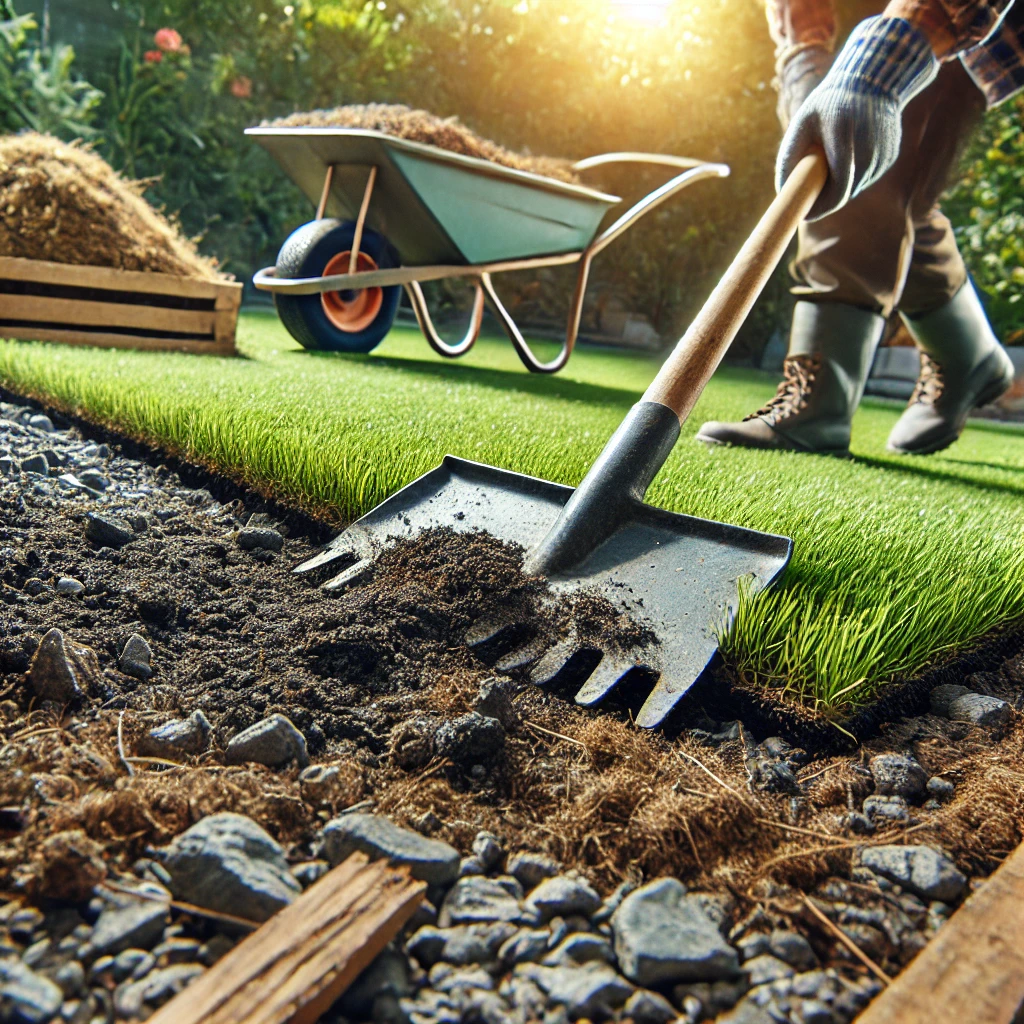
Maintenance involves regular cleaning to remove debris and occasional brushing to keep the fibers upright and prevent matting.
Maintaining and Caring for Artificial Grass
Maintaining artificial grass involves preserving and caring for synthetic grass to ensure its longevity and visual appeal. Proper maintenance of artificial grass is essential for enhancing the aesthetics of outdoor spaces.
Tips for Keeping Your Artificial Turf Looking Great
Maintaining the aesthetics of artificial grass is made easier with proper care and maintenance. Whether professionally installed or through DIY efforts, proper artificial turf installation can be well-maintained by following best practices and tips over time.
To keep the artificial lawn looking its best, it is important to regularly brush it to prevent matting and keep the fibres standing upright, maintaining their shape and natural appearance. Prompt removal of debris such as leaves and animal waste can help prevent stains and odours. Occasional cleaning with a mild detergent and water can remove dirt and maintain the grass’s shine and newness.
Professional installation ensures an even finish and proper base preparation to prevent issues like uneven surfaces and poor drainage. DIY care routines such as regular gentle watering and checking for signs of wear and tear can also help ensure the aesthetics of the artificial lawn in the long term.
Recent Comments