
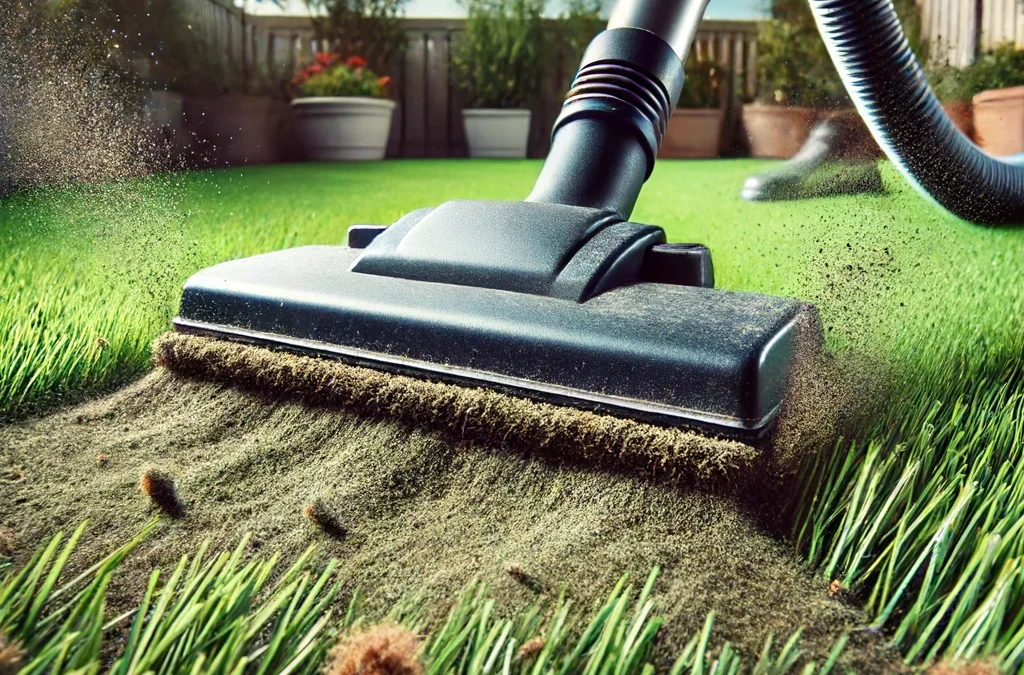
This article provides an overview of artificial grass, including the various types available, as well as the advantages and disadvantages of using artificial grass for both homeowners and businesses. It also explores the common query of whether artificial grass can be vacuumed and offers guidance on cleaning and upkeep to ensure the longevity of artificial grass.
Understanding Artificial Grass
Artificial turf, also known as synthetic turf, fake grass, or artificial lawn, is a low-maintenance alternative to natural grass that serves as a ground covering for modern outdoor living spaces.
What is Artificial Grass?
Artificial grass, also known as synthetic turf, is a man-made material designed to replicate the look and feel of natural grass while demanding minimal maintenance. Composed of synthetic fibres, primarily polyethylene, artificial grass provides a lush green surface that requires no watering, mowing, or fertilising, ensuring a fresh appearance year-round.
Known for its durability, artificial grass is ideal for high-traffic areas as it retains its aesthetic appeal even under heavy foot traffic. Unlike natural grass, synthetic turf does not become muddy or slippery in wet conditions. It is resistant to pests and maintains its green hue in various weather conditions.
Artificial grass finds extensive use in landscaping projects, sports fields, playgrounds, and indoor decorations.
Types of Artificial Grass
There are various types of artificial grass available, each with unique features and benefits tailored to meet different lawn care needs and maintenance preferences. One of the crucial factors to consider when choosing artificial grass is the material used. Some artificial turfs are crafted from polyethylene, providing a softer feel and a more natural appearance, while others utilise polypropylene for enhanced durability.
Pile height is another important consideration as it impacts the overall appearance and texture of the grass. Higher pile heights contribute to a lush, full look, whereas shorter piles require less maintenance. Density is also a significant factor that influences the long-term performance of artificial grass. Generally, higher density indicates better quality and a longer lifespan.
Benefits and Drawbacks of Artificial Grass
Artificial grass offers homeowners and landscapers several advantages, such as minimal maintenance, consistent aesthetic appeal, and durability suitable for outdoor living spaces. However, it is essential to consider the disadvantages of artificial grass, which include infill compaction, heat retention, and weight and friction damage when planning for maintenance.
Pros of Artificial Grass
Artificial grass offers numerous benefits, including its low maintenance nature, enhanced aesthetic appeal, and versatility as a landscaping tool for outdoor home improvement projects. Homeowners receive maintenance tips to ensure the longevity of artificial grass.
It provides a safe and clean outdoor recreational environment for families, children, and pets, allowing play areas to remain usable without quickly turning into mud or dirt. Its durability and resilience to harsh weather conditions make it an excellent choice for outdoor entertainment and activities throughout the year.
Artificial grass eliminates the need for regular maintenance tasks such as mowing, weeding, watering, and other cleaning required by natural lawns, whilst also contributing to environmental conservation by reducing pollution and water consumption.
Cons of Artificial Grass
The disadvantages of artificial grass include higher installation costs, heat retention, and the necessity for specific cleaning equipment for effective outdoor maintenance. The installation costs of artificial grass may exceed those of natural grass due to labour expenses and the specialised materials needed in the artificial grass industry.
During summer, artificial grass can become hot to the touch and uncomfortable to walk on when exposed to direct sunlight for extended periods. Maintaining artificial grass requires specialised cleaning equipment that may not be easily accessible and can incur additional costs for homeowners.
These factors collectively contribute to the overall drawbacks of using artificial grass for outdoor purposes.
Vacuuming Artificial Grass
Regularly hoovering artificial grass is essential for its maintenance. This process helps in removing debris, dirt, leaves, and pet hair, which contributes to the grass looking good for an extended period. Understanding the proper methods of using a hoover on artificial grass can assist in preserving its cleanliness and appearance.
Yes, you can use a vacuum on artificial grass. It is recommended to use a vacuum cleaner with a brush attachment or a leaf blower to remove debris and keep the artificial grass clean.
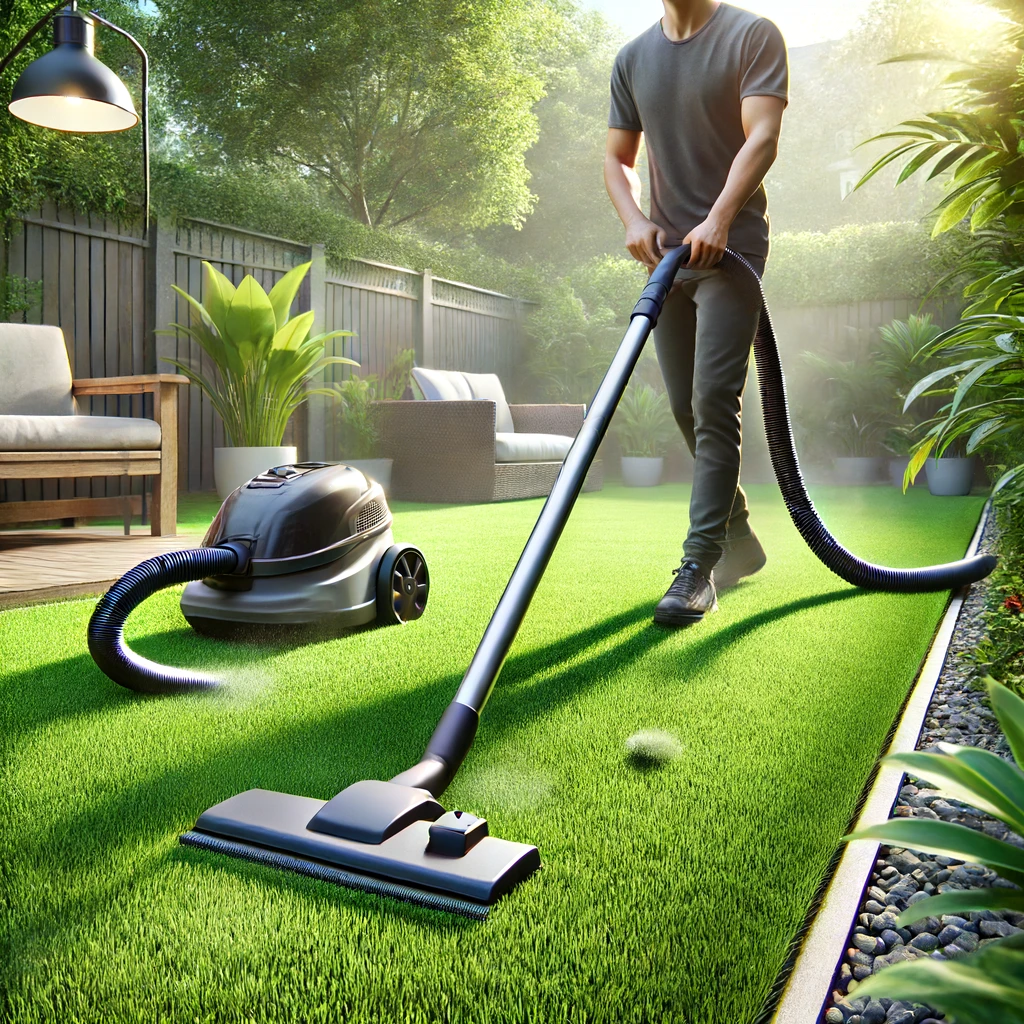
Yes, you can use a vacuum on artificial grass to remove dirt, dust, leaves, and pet hair as long as you follow proper cleaning tools and vacuuming methods for outdoor maintenance. When shopping for artificial grass outdoor vacuuming tools, consider options such as a robot vacuum with adjustable height settings to prevent damage to grass fibres, a leaf blower to dislodge stuck debris, or a traditional vacuum with a hose attachment for collecting debris.
Make sure the hose attachment has adjustable height settings on the vacuum end to protect the grass fibres. Along with these tools, utilise a natural or synthetic bristle brush or broom to remove debris and maintain the neat and uniform appearance of your grass. Remember to regularly empty the vacuum’s bag or canister for optimal suction power.
Utilise a leaf blower or a stiff brush to dislodge any stubborn debris and vacuum in different directions to effectively loosen and collect all debris. Always refer to the manufacturer’s instructions for your artificial grass to ensure its longevity and maintain its best appearance.
Best Vacuum for Artificial Grass
The ideal vacuum for artificial grass should possess strong suction power, portability, and outdoor-friendly design features. These qualities enable it to efficiently and swiftly eliminate debris and dust from gardens, yards, and other outdoor living spaces.
When selecting a vacuum for your garden or yard, the primary consideration should be ensuring that it has robust suction power to effectively lift dirt, leaves, and other debris from the artificial grass surface. Portability is another essential aspect to consider. A lightweight vacuum with wheels makes it easier to manoeuvre and use in various outdoor areas like flower beds, paths, and patios.
Additionally, when choosing a vacuum for artificial grass, it is crucial to verify that it is specifically designed for outdoor usage. This entails having durable brushes capable of withstanding outdoor conditions and filters engineered to endure prolonged exposure to outdoor elements. Such features enable the vacuum to maintain optimal performance in outdoor environments over time.
To enjoy these advantages, opt for the best vacuum for artificial grass that prioritises these key features.

Tips for Cleaning Artificial Grass
Proper cleaning of artificial grass includes:
- Preventive dirt and debris removal
- Regular dirt and dust removal
- Treating stains to maintain a clean turf and enhance the outdoor living area
Adhering to effective cleaning tips is essential for preserving the long-lasting beauty and durability of artificial turf.
Removing Debris and Stains
To remove debris and stains from artificial turf, start by systematically clearing leaves, pet hair, and other outdoor debris. Then, apply targeted treatments for stains to restore the artificial turf to its original appearance.
- One of the most effective methods for clearing leaves from artificial turf is using a leaf blower, which can gently direct the leaves to one corner for easy collection and disposal.
- To remove pet hair, a stiff brush or rubber rake can be used to gather the hair, followed by vacuuming.
- For stains, a mixture of mild detergent and water can be gently scrubbed onto the affected area and rinsed with clean water.
Maintaining the Appearance of Artificial Grass
To maintain the appearance of artificial grass, regular care routines, protective measures against wear and tear, and adherence to maintenance tips are essential for long-term upkeep. These practices will result in a beautiful and lush lawn that enhances the aesthetic of outdoor spaces.
Regularly removing debris such as leaves, twigs, and pet waste prevents build-up and ensures the artificial grass looks natural. Brushing the artificial grass fibres in different directions helps prevent matting and maintains an even appearance. Applying UV protectant sprays can prevent discolouration caused by sunlight exposure. Proper drainage is crucial to prevent waterlogging and mould growth, so ensure adequate drainage systems are in place.
By incorporating maintenance and protective measures like those mentioned above, the lifespan of artificial grass can be extended.
Recent Comments