

The article covers the fundamentals of artificial grass, outlining what it is, the advantages it offers, the significance of proper installation, and common errors made during artificial turf installation. This information equips readers with the knowledge necessary to understand how to effectively install and upkeep artificial grass.
The Basics of Artificial Grass
Artificial grass, also known as synthetic turf, is an alternative landscaping material that provides a low-maintenance replacement for natural grass. Made from synthetic materials designed to mimic the look and feel of natural grass, artificial grass offers exceptional durability as it can withstand heavy foot traffic and diverse weather conditions with minimal maintenance required.
Unlike natural grass, artificial turf eliminates the need for regular mowing, watering, or fertilising, making it an eco-friendly and cost-effective choice for both residential and commercial properties. With advancements in artificial grass technology, there is now a wide range of textures and colours available to suit various landscaping styles and preferences.
When selecting artificial grass, consider factors such as pile height, infill material, and backing to ensure proper installation and achieve a long-lasting and visually appealing lawn.

What is Artificial Grass?
Artificial grass, also known as synthetic turf or fake grass, is a popular landscaping choice made from synthetic materials designed to closely mimic the appearance and texture of natural grass. It is commonly used in residential lawns, commercial settings, and sports fields as a low-maintenance alternative to natural grass.
The materials used in artificial grass, such as polyethylene, polypropylene, and nylon, are selected for their durability and lifelike appearance. Different types of artificial grass are tailored for various weather conditions, offering a longer-lasting and more adaptable option for outdoor spaces. With its close resemblance in colour and consistency to natural grass, artificial grass provides an aesthetically pleasing and soft landscaping surface.
Benefits of Artificial Grass
Artificial grass offers several benefits for landscaping projects, including high durability, consistent appearance, and low maintenance requirements. Its durability makes it ideal for landscaping high-traffic outdoor areas, as it can withstand harsh weather conditions and heavy foot traffic without quick damage. The consistent appearance of artificial grass ensures that it retains its colour year-round, blending seamlessly with the surrounding environment.
This consistent look eliminates the need for constant watering or mowing, providing a uniform feel underfoot regardless of the weather. The reduced maintenance requirements also contribute to maintaining the consistent appearance of the artificial grass over time. Additionally, artificial turf helps maintain visual consistency in the landscape by keeping green as a dominant colour throughout the year, without the winter upkeep necessary for real grass.
The Importance of Proper Installation
Proper installation of artificial grass is crucial for maintaining its durability and aesthetics. Incorrect installation can result in various issues that detract from the appearance and functionality of the turf.
One key aspect of proper installation is ensuring that synthetic turf is laid in the correct direction. This is vital not only for achieving optimal appearance but also for maximising the performance of the artificial grass. Improper installation, such as misaligned seams and unsecured edges, can cause uneven surfaces and premature wear, ultimately decreasing the lifespan of the synthetic turf and diminishing its quality over time.
Why Installation Matters
The proper installation of artificial grass is crucial in determining the long-term durability, appearance, and applications of synthetic turf. It is the single most important factor in preserving the structural integrity of artificial grass over time. Correct installation procedures, including compacting the base, using high-quality infill material, and ensuring proper drainage, are essential in increasing the lifespan and usability of synthetic turf. Proper installation allows artificial grass to withstand high traffic, protect it from natural elements, and maintain its visual appeal. This ensures that artificial grass is suitable for various applications, such as residential gardens, sports pitches, and commercial landscaping.
Common Mistakes in Laying Artificial Grass
Common mistakes in artificial grass installation include poor ground preparation, incorrect cutting of the turf during installation, and the use of poor quality adhesives and infill materials.
Poor ground preparation is a primary issue, with poorly levelled surfaces and drainage problems being the most frequent errors. Inadequate site preparation can result in an uneven ground, impacting the long-term functionality of the synthetic turf.
Incorrect cutting of the turf during installation can lead to visible seams or edges misalignment. Following manufacturer guidelines for cutting and joining artificial grass sections is crucial to avoid these issues.
The use of poor quality adhesives and infill materials can also pose a problem, as inadequate bonding can result in instability. Cheaper adhesives and infill materials not designed for the specific climate and usage of the synthetic turf are more likely to cause this issue.
To prevent such mistakes and ensure a well-installed artificial grass lawn or sports field, it is essential to choose high-quality materials and adhere to best practice installation techniques.
Identifying and Avoiding Mistakes
To ensure successful artificial grass installation, it is crucial to identify and avoid common mistakes. The most frequent errors include improper infill distribution, inadequate backing preparation, and visible seams that disrupt the seamless appearance of the turf.
Improper distribution of infill can result in uneven patches or bulges on the turf. Adequate backing preparation is essential as it is where the majority of the infill will be placed and serves as the foundation for the installation. Cleaning and leveling the backing surface is necessary before laying the turf. Concealing seams is vital for a seamless look, and using high-quality seam tape and adhesive can achieve this.
By addressing these areas properly during installation, you can prevent these issues and ensure a long-lasting artificial grass installation.
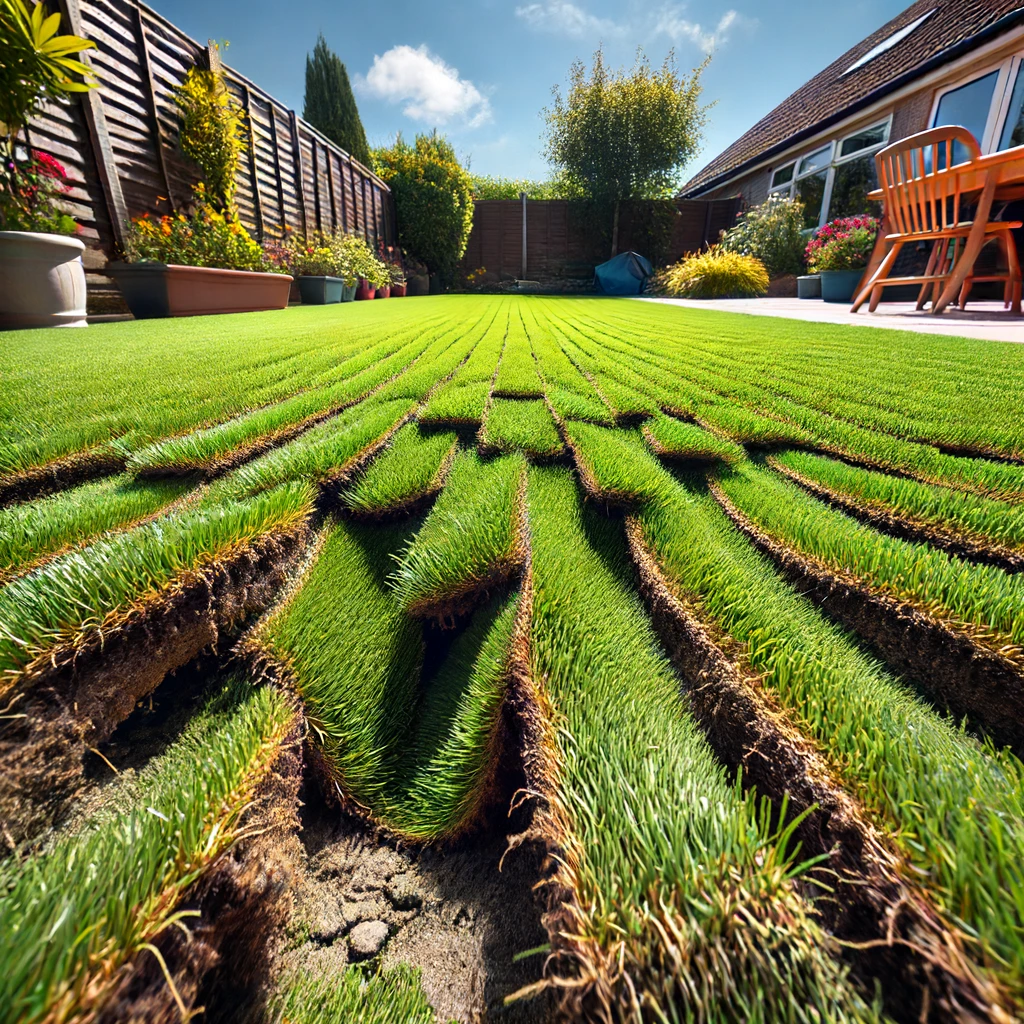
Consequences of Improper Installation
Improper installation of artificial grass can lead to accelerated wear and tear, as well as unsightly wrinkles, bubbles, or ripples, and premature degradation of the synthetic turf.
These issues are often the result of inadequate base preparation, poor seam adhesion, improper cutting techniques, or insufficient infill. A poorly installed artificial grass surface may develop uneven surface imperfections over time, posing tripping hazards and detracting from the overall appearance of the area.
Improper installation can also cause drainage problems and water pooling on the surface, with standing water fostering mould or mildew growth. Following proper installation procedures is crucial for ensuring the longevity and optimal performance of artificial grass.
Potential Issues and Damage
Improper installation of artificial grass can result in various potential problems and damage, such as accelerated wear and tear from high foot traffic, leading to visible signs of degradation on the synthetic turf.
Inadequate installation may cause bunching or rippling of the artificial grass, posing safety and usability risks. Insecure edges can lead to shifting or movement of the synthetic turf, creating tripping hazards.
Incorrect installation techniques can result in poor drainage, causing water pooling and potential mould growth beneath the turf. Adhering to proper installation procedures is crucial for the longevity and durability of artificial grass, reducing the necessity for frequent repairs and maintenance.
Tips for Properly Laying Artificial Grass
Properly laying artificial grass involves implementing a number of crucial steps and techniques to ensure successful installation that improves the appearance, durability, and lifespan of the synthetic turf. The most important aspect of laying artificial grass is proper ground preparation. Before installation, the area should be levelled, free of debris, and well-drained to prevent water ponding. A geotextile membrane can be used to minimise weed growth and allow for proper drainage.
When laying the grass, careful consideration should be given to the placement of the seams and ensuring they are properly joined using adhesives or tape as appropriate. Regular brushing of the grass fibres is essential to maintain their upright and natural appearance and prevent matting. These maintenance techniques contribute to a professional finish and extend the lifespan of the artificial grass.
Step-by-Step Guide for Installation
The installation process of artificial turf involves a comprehensive step-by-step guide to ensure a perfect and long-lasting result.
- The first step is clearing the installation area by removing any existing vegetation or debris.
- The second step includes leveling the ground using a compactor and adding a crushed rock or sand base layer.
- Next, the artificial grass is laid out and cut to fit the designated area.
- Following that, an even layer of infill material is applied to help the blades stand upright and provide stability.
- The final step involves using a power brush or a broom to brush the grass fibers in one direction, giving it a more natural appearance and ensuring even settling.
Maintenance and Care Tips
For effective maintenance and care of artificial grass, it is essential to apply UV protection, regularly clean to remove debris, and brush or sweep to preserve the appearance of the turf.
UV protection is crucial to shield artificial grass from the sun’s harmful rays, which can be achieved by using a high-quality UV-resistant spray or coating to significantly prolong the turf’s lifespan.
Additionally, establishing a routine cleaning regimen is vital. Regularly removing leaves, dirt, and other debris helps prevent mould and bacterial growth. Gently brushing the grass fibres with a soft-bristled brush can prevent matting and maintain the lush and natural look of the grass for years to come.
Recent Comments