
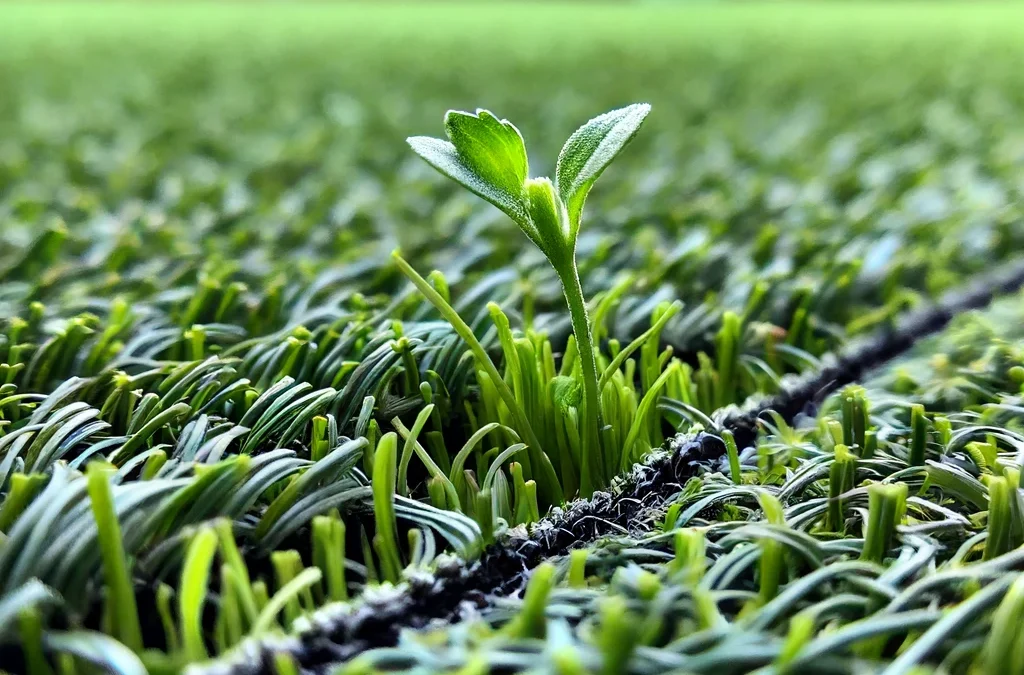
This article explores the interaction between weeds and artificial grass, focusing on the causes of weed growth such as poor installation and other environmental factors.
It also discusses how proper installation techniques and regular maintenance can help prevent weed growth. Effective and safe methods of weed removal from artificial grass are examined, along with alternative solutions for weed control, including natural and chemical options.
The Relationship Between Weeds and Artificial Grass
The relationship between weeds and artificial grass is a significant concern that impacts various aspects of landscaping and maintenance. The growth of weeds poses a threat to artificial grass installations, diminishing their aesthetic appeal and longevity. Weeds like dandelions and crabgrass can infiltrate synthetic turf, causing it to look unkempt and potentially leading to deterioration over time.
These invasive plants not only mar the smooth, tidy appearance of the artificial grass but also compete with it for water and essential nutrients. It is crucial to promptly address weed growth to ensure that the landscaping design upholds the standards set by the artificial grass. Implementing effective weed prevention strategies, such as using weed barriers during installation and practising regular maintenance like hand-weeding and herbicide application, is essential for overcoming these challenges.
Can Weeds Grow Through Artificial Grass?
Weeds can indeed grow through artificial grass, posing a threat to the integrity and appearance of synthetic turf installations. The growth of weeds in and around artificial grass is often observed at the edges and infill where gaps in the installation provide an entry point. Once established, weeds can rapidly spread and proliferate, disrupting the smooth surface of the synthetic turf. Besides detracting from the aesthetics, the presence of invasive plants can also impede the drainage system of the turf, leading to water accumulation and potential damage.
To maintain the beauty and functionality of artificial grass surfaces, it is crucial to implement preventive measures to deter weed penetration and growth.
Potential Causes of Weed Growth
Proper installation and environmental factors play significant roles in weed growth in outdoor areas, impacting landscaping quality and weed control practices. Several factors contribute to weed growth in outdoor spaces. The presence of healthy plants with robust root systems is a major factor, as these roots compete with desired plants for nutrients and water while creating conditions conducive to the growth of weed seeds. Soil compaction is another key element that promotes weed growth, reducing the presence of desired plants and enabling weeds to establish themselves. Additionally, environmental factors such as temperature, moisture levels, and sunlight exposure can influence weed growth in a landscape.
Inadequate Installation
Improper installation practices that lack proper barriers or infill materials can lead to weed growth in artificial grass. Landscaping fabric is a crucial component of artificial grass installations in landscaping projects.
Installing landscaping fabric beneath artificial turf serves as a crucial barrier, preventing weed seeds from germinating and penetrating through the artificial grass surface. Infill materials like silica sand or rubber granules are added for stability, cushioning, and as an extra defence against weed growth.
By ensuring the inclusion of these essential elements in the installation process, artificial grass lawns should remain weed-free even after years of use.
Environmental Factors
Environmental factors significantly impact weed growth, as well as plant health, soil quality, and the overall aesthetics of landscaping in a given area.
Soil quality stands out as one of the primary environmental factors affecting weed growth. The soil’s quality dictates the types of weeds that will thrive in the area and the speed at which they will proliferate. Rich soil with ample nutrients can promote the easy growth of weeds, potentially overshadowing the growth of more desirable plants, whereas poor-quality soil may create conditions that give weeds a competitive edge.
Weather conditions, such as humidity, temperature, and rainfall, also play a role in influencing weed growth. Effective vegetation management practices, like mulching and regular weeding, are key methods for controlling weed populations and fostering healthier plant growth in gardens and landscapes.
Preventing Weed Growth
The most effective measures for weed prevention in artificial grass installations involve proper installation and maintenance. Installing landscaping fabric underneath artificial grass serves as a physical barrier that prevents weeds from growing through the artificial grass, protecting the sub-base from weed roots and inhibiting weed spread and growth.
To ensure effective weed prevention, regular inspections of the artificial grass surface are essential for prompt identification and removal of any emerging weeds before they establish a damaging root system. When coupled with the use of landscaping fabric, diligent maintenance significantly diminishes the reliance on chemical weed killers, offering a more environmentally friendly and sustainable landscaping solution.
Proper Installation Techniques
In hard landscaping projects, proper installation techniques to prevent weed infiltration in artificial turf involve the use of adequate barriers and thorough ground preparation. Adequate ground covering not only enhances the landscape aesthetics but also acts as a protective shield against unwanted vegetation growth. By incorporating geotextile barriers and durable landscaping fabrics, the chances of weed penetration are significantly minimised.
Proper ground preparation, including soil inspection, levelling, and appropriate grading, is crucial for establishing a stable base for artificial turf to thrive. Strategically placing ground protection materials ensures long-term success in maintaining a weed-free environment within hard landscaping installations.
Regular Maintenance and Inspections
Regular maintenance and inspections are essential for detecting and addressing weed growth issues in artificial grass effectively. Proper lawn care practices and outdoor maintenance routines play a key role in preventing weed growth by facilitating water and nutrient delivery to the grass and soil, and by discouraging soil compaction that promotes weed root growth.
Following a consistent schedule for mowing, watering, and fertilizing will contribute to a healthy lawn, fostering grass growth that naturally suppresses weeds. Soil aeration enhances drainage and reduces the likelihood of weed infestation.
Mulching flower beds and areas around trees can help inhibit weed growth while enhancing the overall visual appeal of your landscape. By proactively engaging in maintenance tasks and conducting regular inspections, you can ensure a weed-free outdoor environment and enjoy a lush, green outdoor space throughout the year.
Removing Weeds from Artificial Grass
Effective and safe methods should be used for weed removal from artificial grass to preserve the quality and appearance of the synthetic lawn. Timely and efficient weed removal helps prevent landscaping issues and maintains the overall outdoor aesthetics. Weed removal from artificial grass is an essential part of the maintenance programme that contributes to the long-term health of the lawn.
Opting for natural or environmentally friendly weed control options can ensure that the landscaping industry promotes sustainable solutions and minimises environmental harm. Regular inspections of artificial grass to identify weed growth and taking preventive measures such as proper irrigation and installing barriers can prevent the need for extensive lawn repairs in the future. By implementing good gardening practices, you can enhance your weed removal efforts and create a beautiful outdoor space.
Effective and Safe Methods
Implementing safe and effective weed removal methods in artificial grass is crucial for plant health and preventing future weed growth, contributing to the maintenance of outdoor properties’ appearance and value.
One technique for removing weeds from artificial grass is manual removal, involving carefully pulling out the weeds by hand or using a weeding tool to ensure complete root removal.
Another effective method is installing a geotextile barrier beneath the artificial grass to block weed seeds from germinating.
Additionally, regularly aerating the artificial grass and applying organic mulch can promote healthy plant growth and deter weed development, ultimately enhancing the artificial grass’s resistance to weed growth.
By employing these methods in combination, an environment resistant to weeds can be created, enhancing the visual appeal of the artificial grass.
Alternative Options for Weed Control
There is a wide range of alternative solutions available for weed control in landscaping, which can be categorised into natural and chemical alternatives. These options offer effective weed control methods with various approaches.
Natural weed control methods involve environmentally friendly solutions such as mulching, hand weeding, and the use of vinegar-based sprays. These methods can enhance soil health and reduce the spread of plant diseases in a garden.
On the other hand, chemical weed control solutions, such as herbicides, are designed to target specific types of weeds without harming surrounding vegetation. Chemical solutions often provide quicker and more efficient results, particularly for stubborn weed infestations.
By understanding the advantages of both natural and chemical weed control methods, gardeners can choose the most suitable solutions to address their landscaping requirements.
Natural and Chemical Solutions
Landscaping utilises both natural and chemical solutions for weed control, offering a diverse range of options to meet the various gardening and plant care needs of outdoor plant owners. Weed control is essential for preserving the aesthetic appeal of a landscaped garden.
Natural weed control solutions enable gardeners to suppress weed growth and create a healthier outdoor environment for their plants. These solutions are eco-friendly and do not have adverse chemical effects on the soil and wildlife in the surrounding area.
On the other hand, chemical weed control offers a quick and effective method to eliminate even the most stubborn weeds, ensuring that the garden’s overall appearance is maintained. Striking a balance between natural and chemical approaches results in a beautifully landscaped yard and garden that homeowners can take pride in.
Recent Comments