
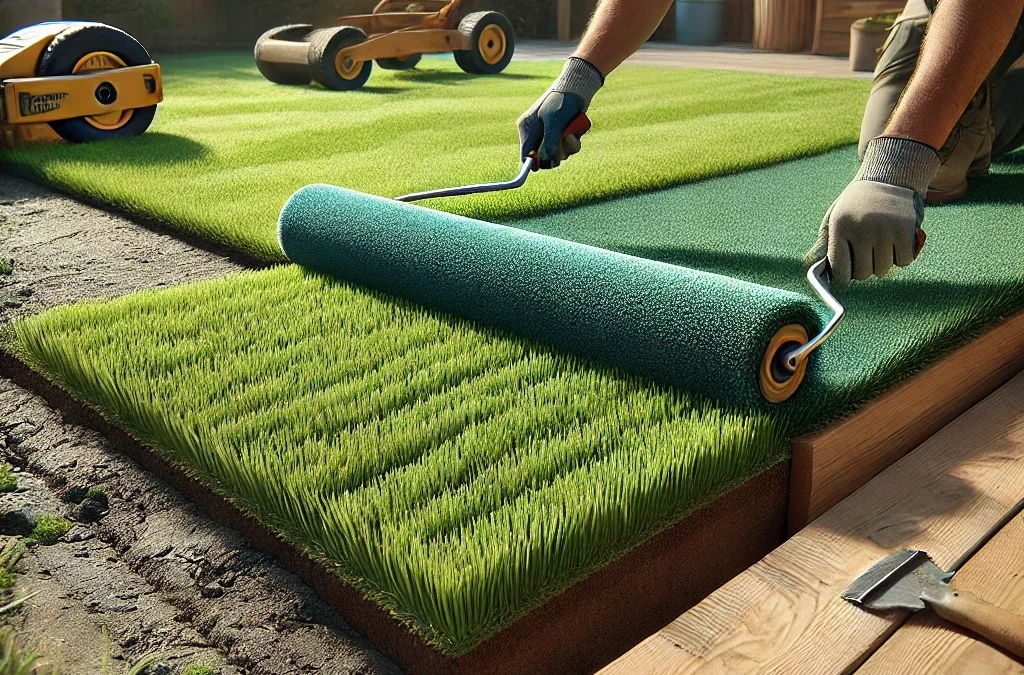
This article is intended for homeowners who are weary of the high maintenance requirements of natural grass but are uncertain about transitioning to artificial grass. It covers the advantages of artificial grass compared to natural grass, the steps involved in preparing your property for artificial grass installation, the tools and materials necessary for installing artificial grass, and the maintenance of artificial turf.
Additionally, it addresses the potential problems and challenges that may arise when laying artificial grass over existing grass.
The Benefits of Artificial Grass
The benefits of artificial grass as a landscaping material are numerous. Artificial grass is often a cost-effective and time-saving alternative to natural grass due to the reduced maintenance requirements and its enhanced aesthetic and durable properties.
With its lush green appearance year-round and no need for frequent watering, mowing, or fertilising, artificial grass is a durable and low-maintenance option. This not only saves money on water bills and lawn maintenance services but also helps in conserving water resources.
Additionally, artificial grass eliminates the need for pesticides or herbicides, thus preventing the contamination of water sources. The aesthetic beauty of artificial grass remains consistent regardless of weather conditions or foot traffic, requiring minimal effort to maintain its pristine look.
Being a long-lasting and sustainable landscaping solution, artificial grass is an efficient choice for both residential and commercial properties.
Why Choose Artificial Grass Over Natural Grass?
The benefits of artificial grass over natural grass are numerous and cater to modern needs and preferences. Opting for artificial grass instead of natural grass can greatly improve the overall aesthetic appeal of your outdoor space and provide a sustainable green solution.
A key benefit of artificial grass is its low maintenance requirements. As opposed to natural grass, which needs regular watering, mowing, and fertilizing, artificial grass is a maintenance-free alternative that remains lush and green with minimal upkeep. This saves time and effort and contributes to water conservation.
Artificial grass is durable and able to withstand heavy foot traffic, making it the ideal choice for high-traffic areas. This can greatly increase the value of your property by providing long-lasting, aesthetically pleasing outdoor space.

Preparing Your Lawn for Artificial Grass
The preparation of the lawn for artificial grass installation involves assessing soil quality, removing soil, placing underlay, and installing drainage systems to ensure proper installation and maintenance of the artificial grass.
The first crucial step in the preparation process is assessing the soil quality to determine necessary soil amendments for optimal plant growth. Soil removal is necessary to eliminate debris, weeds, and rocks that could hinder the stability and growth of the artificial grass.
Using the right underlay material in terms of material and thickness is essential for providing cushioning, support, and longevity to the artificial grass. A proper underlay material, typically made of rubber, offers cushioning and support to prevent potential issues.
Additionally, installing effective drainage systems is vital during preparation to prevent waterlogging, standing water, and associated problems like mould, mildew, and damage to the artificial grass.
Steps to Take Before Installation
The specific steps before proceeding with artificial grass installation vary depending on whether it is a DIY installation or if a professional artificial grass installer is hired. These preparatory steps ensure that the installation process is successful, expedited, and tailored to the customer’s needs.
For a DIY installation, the first step is to measure the area where the artificial grass will be installed so that the correct amount of material can be purchased. The ground should then be prepared by removing any existing grass, rocks, or debris.
Hiring professional installers saves time and effort and provides the benefit of the installer’s expertise in dealing with any challenges that can arise during installation, ensuring a smooth and polished finish every time.
Installation Process for Artificial Grass
The installation of artificial grass involves a series of sequential steps that are interdependent and necessitate the utilisation of various tools and materials to achieve a final, even, and professionally finished artificial grass surface. The tools required for artificial grass installation include a spade, landscape rake, and utility knife. Proper site preparation, which involves thorough compaction of the ground, is crucial to ensure a level surface.
Once the ground has been adequately prepared, weed barrier fabric and a base material like decomposed granite are laid down to establish a flat, stable foundation for the artificial grass. The installation of the artificial grass is finalised by securing it to the ground with nails or staples, and then trimming it to fit the designated area of installation.
Tools and Materials Needed
Tools and materials are crucial for the proper installation of artificial grass. Cutting and shaping tools, bonding agents, and insulating layers are essential for installers to create a professional and efficient artificial grass installation.
Some examples of tools and materials used during artificial grass installation include:
- Utility knives for cutting along edges and corners
- Power brushes for even distribution of infill materials
- Seam tape and adhesive for jointing turf sections
- Compact tools for flattening the base and aiding drainage
- Weed barrier fabric to prevent weed growth
- Turf rakes for grooming and maintaining artificial grass fibres
Step-by-Step Guide
A guide is essential for successful artificial grass installation as it enables individuals to follow the precise steps and procedures required for a high-quality, professional installation that meets industry standards. Each step in the process is crucial, starting from proper surface preparation to final seaming and finishing touches.
Before installing artificial grass, it is vital to ensure that the area is free of debris that could impact the installation process. Clearing rocks, roots, and other items will create a smooth surface for the artificial turf installation. Once the area is prepared, the next step in the artificial grass installation process involves measuring and cutting the turf to fit the designated area. Employing the correct cutting technique ensures a proper fit with minimal excess material trimming during installation.
Maintaining Artificial Grass
Maintaining artificial grass is essential to uphold its appearance and functionality over time. Some maintenance tips include regular cleaning, brushing, ensuring proper drainage, and addressing pet waste.
- Cleaning the artificial turf regularly with a leaf blower or gentle hosing helps prevent dust and dirt buildup while preserving its aesthetic appeal.
- Using a specialised artificial grass brush regularly assists in fluffing the fibres and reducing matting.
- Promptly removing pet waste and rinsing the area with water can prevent odours and bacteria accumulation.
- Utilising pet-friendly artificial grass cleaners helps maintain a fresh and sanitary environment for both your pets and your artificial lawn.
Tips for Keeping Your Artificial Lawn in Top Condition
Proper maintenance of synthetic grass involves care and maintenance practices that are essential for preserving the longevity and aesthetic appeal of the artificial grass. These maintenance tips include regular washing and cleaning, as well as efficient removal of debris and other unwanted materials.
To keep your artificial grass in good condition, it is recommended to use a stiff brush to regularly remove debris such as leaves, twigs, and dirt from the artificial grass surface. This routine upkeep helps prevent significant buildup and maintains a neat appearance.
When washing the artificial grass, use a mild detergent mixed with water to scrub away any stains or spills. Avoid strong chemicals and consider using a leaf blower or vacuum to eliminate smaller particles that may not be removed by brushing alone.
Regularly inspect the infill material and redistribute it as needed to ensure a uniform and well-cushioned surface.
Potential Issues with Laying Artificial Grass on Top of Grass
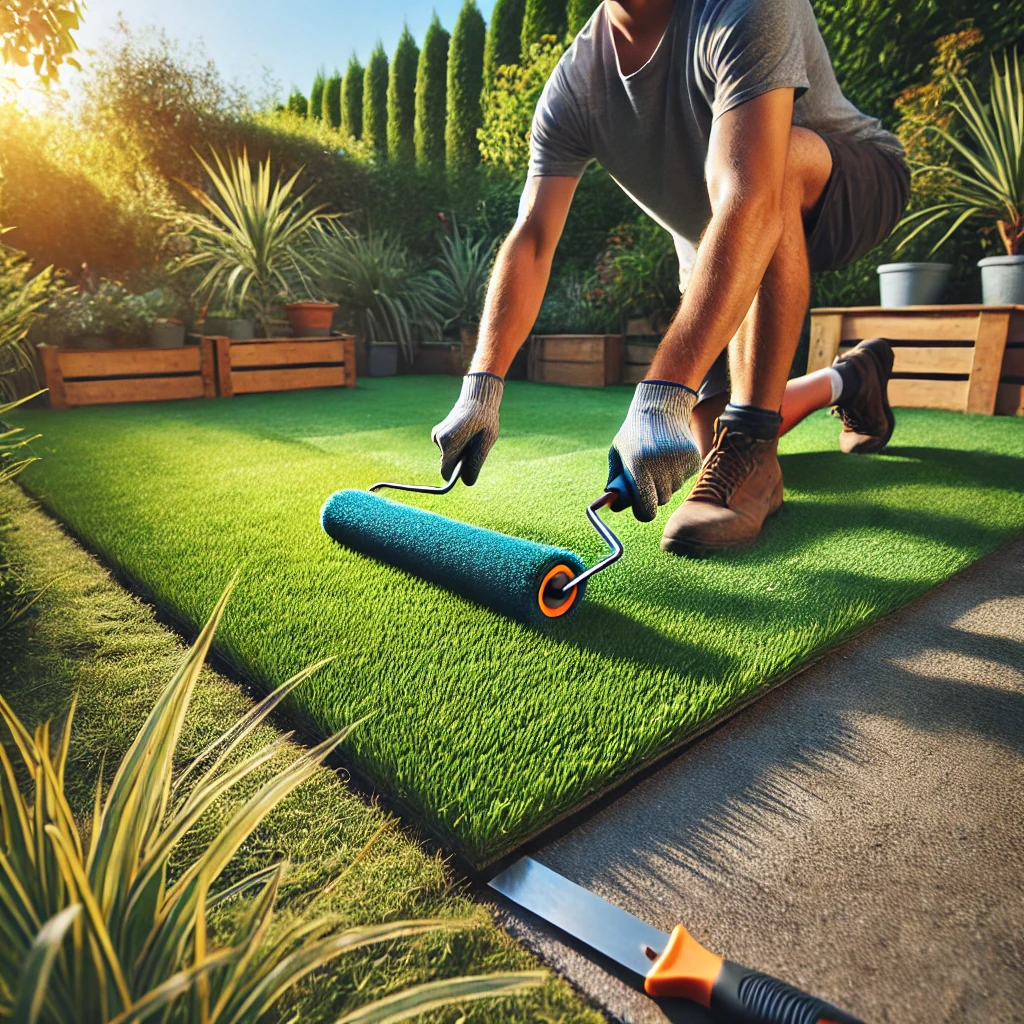
It is possible to lay artificial grass over existing grass as a temporary solution; however, it presents unique challenges related to weed control, infill management, and aesthetic issues. Understanding these challenges and how to address them is crucial for the successful installation of artificial grass.
One common issue with artificial grass over existing grass is inadequate weed control. Proper removal or treatment of the existing vegetation is necessary to prevent weed growth under the artificial turf, which can result in lumps.
Infill management is another challenge that often arises, potentially leading to an unfilled lawn and uneven artificial grass appearance. Consideration must also be given to aesthetics, such as visible seams and edges, to avoid creating a patchy-looking artificial grass lawn.
Common Problems and How to Avoid Them
It is important to be aware of common issues that may arise with artificial grass and how to prevent them in order to avoid costly repairs and replacements in the future. Addressing concerns such as wear and tear and ensuring proper drainage can help mitigate problems down the line.
Most artificial grass issues can be managed through regular maintenance and prompt repairs of any tears or damages to prevent them from worsening and necessitating replacement. This includes ensuring correct installation of drainage systems and promptly addressing any blockages to prevent issues like water pooling and deterioration of the artificial grass.
By maintaining and replacing artificial grass as necessary, owners can preserve the beauty and longevity of their outdoor spaces.
Recent Comments