
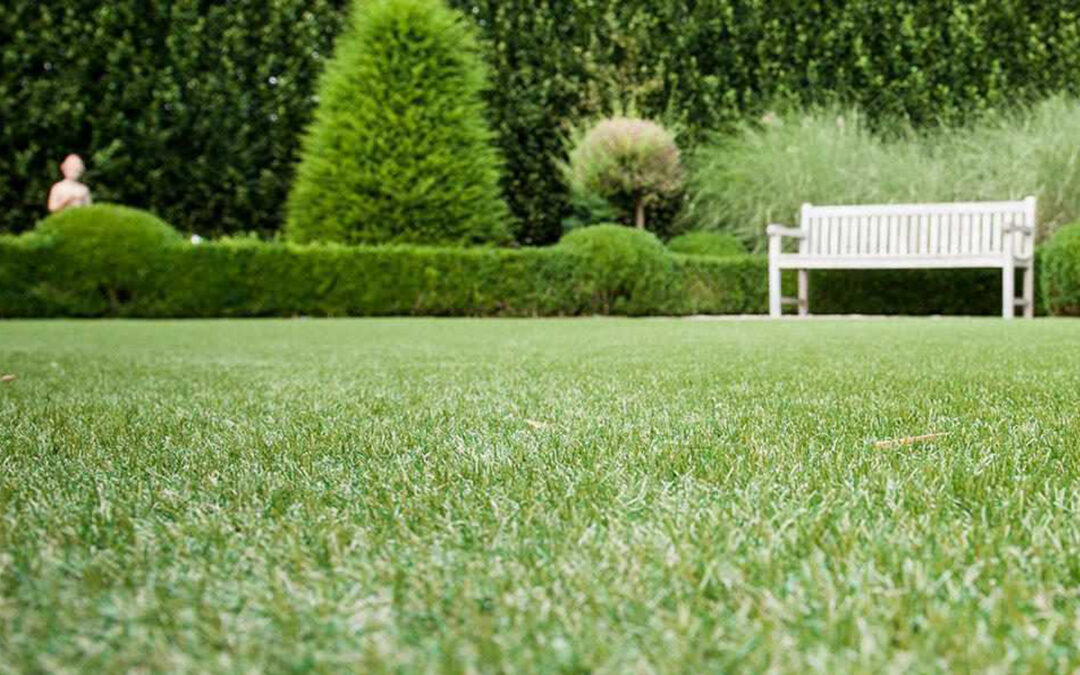
Are you considering installing artificial grass in your outdoor space? One important factor to consider is whether or not to use a membrane underneath the artificial grass. In this article, we will discuss what artificial grass membranes are, their purpose, benefits, different types available, and how to install them. We will also explore whether you need a professional for installation and alternative options to using a membrane. Stay tuned to learn more about maximising the longevity and performance of your artificial grass.
Key Takeaways:
What Is Artificial Grass?
Artificial grass, also known as synthetic turf, is a surface made from synthetic fibres that mimic the look and feel of natural grass.
This type of grass is popular for its low maintenance qualities, making it an ideal choice for those seeking a lush green lawn without the hassle of constant upkeep. Unlike natural grass, artificial grass does not require watering, mowing, or fertilising, saving both time and resources. Its durability allows it to withstand heavy foot traffic and various weather conditions, maintaining its lush appearance year-round.
In terms of aesthetics, modern artificial grass is designed with realistic grass blades that come in different lengths and shades, providing a natural look that enhances outdoor spaces. The installation process involves laying a sturdy base, securing the turf, and brushing the fibres to ensure a seamless finish. There are different types of artificial grass available to suit specific preferences and usage, from residential lawns to sports fields.
What Is The Purpose Of A Membrane Under Artificial Grass?
A membrane under artificial grass serves as a protective barrier that prevents weeds from growing through the surface and helps maintain the integrity of the installation.
The weed membrane or geotextile membrane also plays a crucial role in protecting the base layers of the artificial grass system by preventing soil erosion and promoting efficient drainage. This not only ensures that the underlying structure remains stable but also helps in maintaining the aesthetic appeal of the lawn over time.
What Are The Benefits Of Having A Membrane Under Artificial Grass?
Having a membrane under artificial grass offers several advantages, including weed prevention, improved drainage, base protection, and extended lifespan for the surface.
One of the key benefits of using membranes in artificial grass installations is the prevention of weeds from growing through the surface. This helps to maintain a clean and pristine look for the artificial lawn, reducing the need for constant weeding and maintenance.
The membrane enhances drainage by allowing water to flow through easily, preventing waterlogging and ensuring the surface dries quickly after rainfall. This not only helps in preserving the base by preventing water damage but also contributes to a more durable and long-lasting artificial grass setup.
The membrane acts as a protective barrier between the base materials, such as sharp sand, rubber infill, and granite dust, and the artificial grass, helping to prevent shifting, settling, or erosion of the base over time.
Incorporating a membrane in artificial grass installations is a wise choice for ensuring effective weed control, improved drainage, base preservation, and maximising the longevity of the whole setup.
Prevents Weeds From Growing
A membrane under artificial grass effectively prevents unsightly weeds from infiltrating the surface, maintaining a pristine appearance and reducing maintenance efforts.
These membranes serve as a vital barrier, blocking the roots of weeds from reaching the surface and establishing themselves, ensuring a weed-free environment. By utilising Durafill sand or limestone chippings on top of the membrane, the weight and consistency act as an additional hindrance for weed growth, enhancing the overall effectiveness of the installation.
Provides Extra Drainage
The membrane under artificial grass facilitates superior drainage, ensuring efficient water runoff and preventing waterlogging that can damage the surface or the sub-base.
Along with promoting optimal drainage, geotextile membranes play a crucial role in preventing soil erosion under artificial turf. By acting as a barrier that discourages soil displacement, the membranes help maintain a stable sub-base layer, which is essential for the overall durability and longevity of the artificial grass installation.
Protects The Base Of The Artificial Grass
The membrane serves as a crucial protective layer for the base of the artificial grass, shielding it from damage due to external factors and ensuring a stable foundation for long-term performance.
By acting as a barrier against underlying elements such as granite stone or uneven surfaces, the membrane prevents subsidence and maintains the evenness of the grass surface. Along with stability, it plays a vital role in preserving the integrity of the installation by safeguarding against root intrusion and maintaining proper drainage. This protective shield not only extends the longevity of the artificial grass but also minimizes the need for frequent maintenance, making it a cost-effective solution in the long run.
Increases The Lifespan Of The Artificial Grass
By providing crucial support and protection, a membrane beneath artificial grass contributes to an extended lifespan for the surface, ensuring sustained quality and performance over time.
One key advantage of having a membrane beneath artificial grass is its ability to shield the astro cushion and sub-base from the detrimental effects of constant foot traffic, harsh weather conditions, and UV radiation. This protective layer acts as a barrier, preventing the base materials from becoming compacted, which can lead to uneven surfaces and reduced drainage efficiency. The membrane helps in maintaining the overall appearance of the artificial grass by preventing weeds from growing through and minimising the risk of damage from roots penetrating the surface.
What Types Of Membranes Can Be Used Under Artificial Grass?
Various types of membranes can be utilised under artificial grass installations, including woven, non-woven, and permeable options, each offering distinct advantages based on specific requirements.
Woven membranes are known for their durability and strength, making them ideal for high-traffic areas where extra support is needed. Non-woven membranes, on the other hand, are more lightweight and flexible, providing a cost-effective solution for areas with lesser footfall.
Permeable membranes allow for better drainage, preventing water build-up and enhancing the longevity of the artificial grass. Geotextile membranes are commonly used to improve soil stability and prevent weed growth under the artificial turf. In some cases, rubber infill can be added to enhance shock absorption and provide a more natural feel underfoot.
Woven Membrane
A woven membrane is a robust option for artificial grass installations, known for its durability, strength, and effective weed control properties, making it ideal for high-traffic areas.
One of the key advantages of using a woven membrane under artificial grass is its exceptional resilience to heavy foot traffic, providing long-lasting support for the synthetic turf above. This type of membrane helps in preventing weeds from growing through the grass, maintaining a tidy and uniform appearance without the need for constant maintenance.
During the installation process, the woven membrane acts as a barrier that ensures proper drainage while also effectively separating the grass from the underlying soil. It is recommended to bed the membrane on a layer of sharp sand to enhance stability and performance, contributing to a smooth and even surface for intense usage.
Non-Woven Membrane
A non-woven membrane offers excellent protection and drainage benefits for artificial grass surfaces, providing a reliable solution for maintaining the integrity and performance of the installation.
These membranes are designed to efficiently allow water to drain through the artificial grass, preventing waterlogged and muddy patches, which can occur in natural grass setups.
Besides drainage, non-woven membranes act as a protective barrier, shielding the base layers of the artificial turf from damage caused by sharp objects or roots trying to penetrate the surface.
One of the key advantages is their versatility which allows them to be used with different types of infill materials, such as rubber infill, enhancing the overall performance and durability of the artificial grass system.
Permeable Membrane
A permeable membrane is designed to enhance water drainage and soil aeration beneath artificial turf, promoting a healthy and stable substrate for optimal turf growth and performance.
One key advantage of using a permeable membrane in artificial turf systems is its ability to prevent water stagnation, which can lead to soil compaction and root suffocation. By allowing excess water to drain efficiently, the membrane ensures proper water management, reducing the risk of waterlogging and creating an environment conducive to healthy root development.
Incorporating materials like granite dust within the membrane layer can further enhance drainage capacity while providing essential minerals for soil health. When paired with a geotextile membrane, the system offers added stability and support, preventing weeds and ensuring long-term durability.
How To Install A Membrane Under Artificial Grass?
Installing a membrane under artificial grass involves several key steps, including site preparation, membrane laying, and edge securing to ensure a stable and long-lasting installation.
- To start, the first crucial step is to thoroughly assess the site where the artificial grass will be laid. Evaluate the ground for proper drainage to prevent waterlogging, ensuring the longevity of the grass.
- Next, select the appropriate membrane material, often a permeable geotextile fabric that allows water to pass through while preventing weed growth. In terms of the sub-base, consider using a layer of compacted granite stone to enhance stability and drainage.
- As for the installation technique, start by unrolling the membrane over the prepared area, ensuring it overlaps correctly to avoid gaps.
Prepare The Area
- The first step in installing a membrane under artificial grass is to thoroughly prepare the area by clearing vegetation, leveling the ground, and ensuring proper drainage for the sub-base.
Proper site preparation is crucial for the overall success and longevity of your artificial grass installation. By investing time in this initial phase, you can avoid issues such as uneven surfaces, poor drainage, and premature wear and tear.
Start by clearing the area of any existing vegetation, rocks, or debris that could potentially affect the final result. Once the surface is clear, the next step involves leveling the ground to create a smooth and even base. This can be achieved by using a combination of tools and materials, such as a shovel and limestone chippings, to fill in any low spots.
Another essential aspect of site preparation is grading the area to ensure proper water drainage. A grass underlay can be added to create a stable foundation that promotes efficient water runoff. This layer not only helps with drainage but also provides cushioning and support for the artificial grass.
Lay The Membrane
Once the area is prepared, the next step is to lay the membrane carefully over the base, ensuring full coverage and proper alignment to create a seamless and effective barrier against weeds and moisture.
To achieve optimal results, granulate dust or rubber infill should be evenly spread over the membrane to provide stability and maintain the artificial grass’s structure. When laying multiple pieces of membrane, ensure they overlap by a minimum of 6 inches to prevent any gaps where weeds could penetrate. Secure the membranes in place using adhesive tape or industrial staples at regular intervals to ensure they stay in position and maintain a smooth surface for the grass installation. Pay attention to corners and edges, making sure they are securely fastened to avoid any shifting over time.
Secure The Edges
Securing the edges of the membrane is essential to prevent shifting or damage, requiring proper fixation using adhesives, pegs, or other securing methods to ensure long-term stability and performance.
When installing an artificial grass membrane like an astro cushion and weed membrane, it’s crucial to pay attention to edge securing to avoid unsightly gaps or uneven surfaces. One effective method is using adhesive tapes designed specifically for this purpose, providing a strong bond while remaining flexible to accommodate natural movements.
Another popular approach involves installing metal or plastic edging strips along the perimeter, securely anchoring the membrane and adding a clean finish to the edges. This method not only prevents displacement but also creates a professional look for the overall installation.
Do You Need A Professional To Install A Membrane Under Artificial Grass?
Whilst installing a membrane under artificial grass can be done as a DIY project, seeking professional assistance ensures precision, expertise and optimal performance for the installation.
Although tackling the project yourself may save money, it requires a certain level of skill and knowledge to ensure the correct techniques are applied. Professionals have the experience to handle challenges efficiently and can guarantee a seamless result.
Sharp sand and geotextile membranes play crucial roles in the groundwork for artificial grass, providing stability and drainage. Utilising the wrong tools or techniques can lead to issues like uneven surfaces, poor water runoff or premature wear and tear.
What Are The Alternatives To Using A Membrane Under Artificial Grass?
Apart from membranes, alternatives like shock pads, geotextile fabrics, and gravel bases can be considered to provide support, cushioning, and weed control in artificial grass installations.
- In terms of selecting shock pads, it’s crucial to opt for the right thickness to ensure adequate cushioning under the synthetic turf.
- Geotextile fabrics, on the other hand, offer excellent drainage properties, preventing water build-up and promoting a healthy root system.
- Gravel bases are known for their durability, providing a stable foundation for the artificial lawn while allowing for proper water drainage.
Each option presents unique characteristics that cater to different installation requirements.
Installing A Shock Pad
Utilising a shock pad as an alternative to a membrane under artificial grass offers impact absorption, cushioning, and support benefits, particularly suitable for play areas and sports surfaces.
One of the key advantages of incorporating a shock pad beneath artificial grass is its ability to minimise the risk of injuries by cushioning falls and reducing the force of impacts. This is especially crucial for playgrounds and sports fields where safety is paramount.
The installation of a shock pad can enhance the overall comfort of the surface, providing a soft and forgiving feel underfoot. This feature is particularly appreciated by users who spend prolonged periods on the artificial grass, such as athletes and children at play.
Using A Geotextile Fabric
Geotextile fabrics offer a versatile alternative for supporting artificial grass installations, providing soil stabilisation, weed control, and enhanced drainage properties to improve surface performance.
These specialised fabrics act as a barrier, preventing weeds from growing through the artificial grass, allowing for a low-maintenance and pristine appearance. Geotextiles help in managing moisture by allowing proper drainage, thereby reducing the risk of water accumulation and potential flooding issues. When combined with materials like granite dust, geotextiles further enhance the stability and durability of the artificial grass surface, making it resilient to heavy foot traffic and environmental factors.
Creating A Gravel Base
Establishing a gravel base as an alternative to using a membrane under artificial grass offers effective drainage, stability, and weed suppression, providing a cost-effective and durable solution for various applications.
One of the key advantages of using a gravel base is its superior drainage efficiency. The porous nature of gravel allows water to pass through quickly, preventing waterlogging and ensuring proper water run-off, which is essential for maintaining the integrity of the artificial grass over time. Gravel bases are relatively easy to install and maintain, making them a practical choice for both residential and commercial landscaping projects. When considering a gravel base, incorporating a geotextile membrane can further enhance its performance by preventing the migration of fines and providing additional stability.
Recent Comments