

This guide explores the advantages of artificial grass, including environmental and cost benefits, the three primary materials used as a base for artificial grass, guidelines for selecting a suitable base material, installation techniques, and maintenance recommendations. These topics offer valuable information on the optimal material choices for artificial grass projects, guaranteeing a beautiful and durable outdoor space.
What is Artificial Grass?
Artificial grass, also known as synthetic grass, is a man-made alternative to natural grass that offers a low-maintenance and visually appealing solution for landscaping. Made of synthetic fibres such as polyethylene or nylon, artificial grass closely mimics the appearance of natural grass but with minimal upkeep required.
While natural grass demands regular watering, mowing, and fertilizing, artificial grass can be installed and enjoyed with little maintenance thereafter. Artificial grass is durable, maintaining its vivid colour and texture year-round regardless of environmental conditions that may cause natural grass to deteriorate.
Although the initial costs of artificial grass are higher than those of natural grass, the long-term savings on maintenance expenses make it a popular choice.
Benefits of Using Artificial Grass
Using artificial grass for landscaping offers several benefits, including its durability surpassing that of natural grass, its environmentally friendly and sustainable nature, and providing a cost-effective alternative to natural grass.
Environmental and Cost Advantages
The environmental benefits of artificial grass include reductions in water, pesticide, and mowing requirements, making it a cost-effective and eco-friendly landscaping option. This sustainable solution helps conserve water resources and decrease chemical usage, contributing to a healthier ecosystem. These advantages are further enhanced by the decreased maintenance needs of artificial grass installations, leading to long-term cost savings for both homeowners and businesses.
Moreover, by eliminating the necessity for constant watering and chemical treatments, artificial grass proves to be a wise financial and environmental investment. The durability and longevity of artificial grass also contribute to its cost-effectiveness, ensuring years of low-maintenance beauty for any outdoor area.

Types of Base Materials for Artificial Grass
The base layer is a crucial component of artificial grass installations, comprising gravel, sand, foam pads, or specialised underlayment material. It provides the necessary support and drainage for the synthetic turf.
Comparison of Different Base Materials
When comparing different base materials for artificial grass, factors such as drainage capacity, stability, and long-term performance are critical as they determine the functionality, reliability, and lifespan of the artificial grass installation.
Gravel, with its high drainage capacity, is suitable for areas experiencing high rainfall. Sand provides good stability while allowing water to pass through at a slower rate. Foam pads are chosen for their impact absorption properties, making them ideal for play areas prioritising safety and reducing the risk of concussions in contact sports. Underlayment serves as a solid base for the turf, aiding in weed prevention. Geotextile fabric plays a crucial role in stabilising the base and preventing soil erosion.
Factors to Consider When Choosing a Base Material
Determining the appropriate base material for artificial grass installations involves evaluating factors such as:
- The environment and weather conditions
- Drainage requirements
- The intended use of the surface
- The potential use of geotextile fabric for enhanced stability
Climate and Usage Considerations
The selection of base material for artificial grass is determined by the climate of the region, the intended use, and the requirements for good drainage and long wear characteristics. A good base material will help to ensure that the synthetic grass will have the longest possible life and maintain its characteristics for a long time.
Temperature, rainfall, and sun exposure are the most important climate factors that need to be considered in selecting the base material for artificial grass. Regions with high temperatures may require materials that can resist high temperatures to prevent breakdown. Areas with heavy rainfall may require materials that have good drainage properties to prevent water retention. These materials are also less likely to be subjected to freeze-thaw cycles and other destructive effects of water and ice. Sun exposure can degrade the colour and breakdown of the fibres over time.
Usage patterns for the artificial grass such as sports fields, landscaping installations, or residential lawns will dictate the level of durability needed for the base material. Weather-resistant features such as UV inhibitors and mould resistance should be considered to ensure that the artificial grass can survive and thrive in a variety of weather conditions for as long as possible.
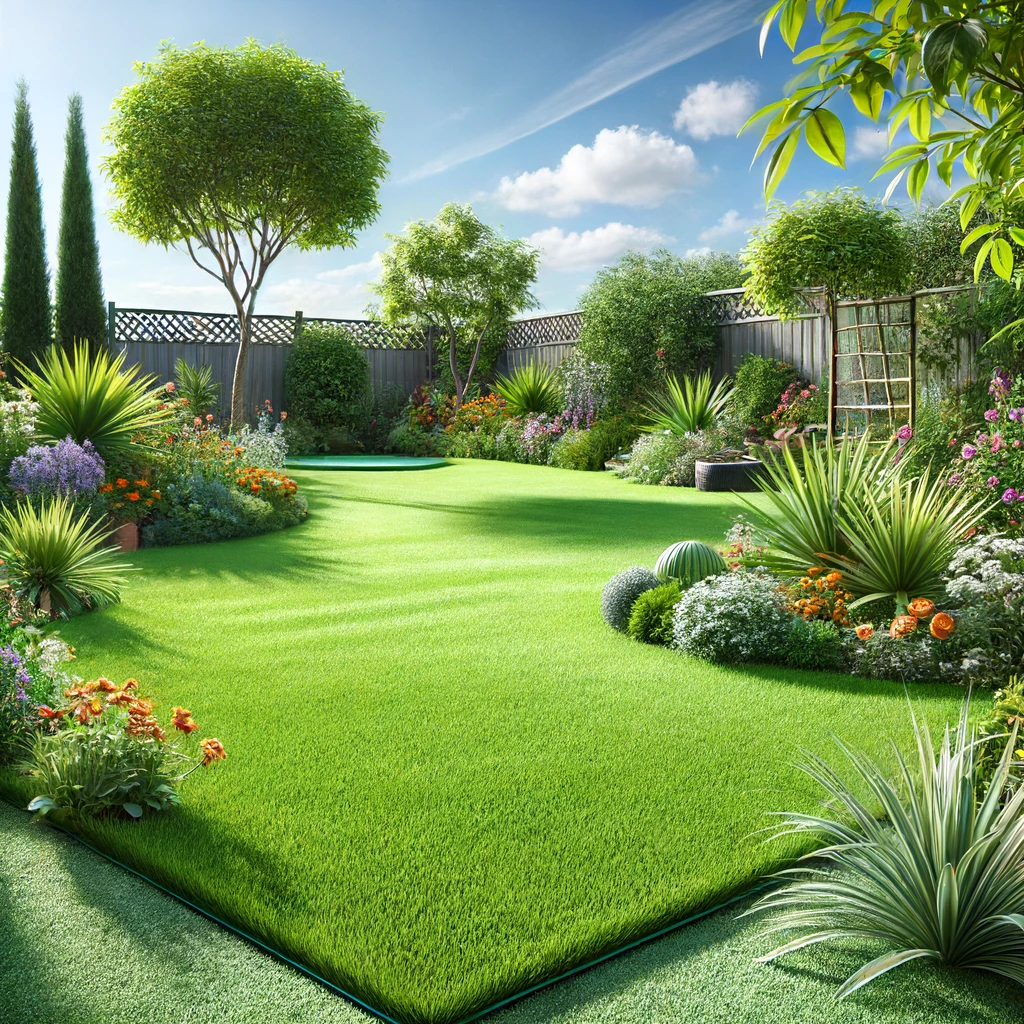
Installation Process for Artificial Grass
The main processes involved in installing artificial grass include:
- Levelling the ground
- Laying a shock pad for additional cushioning
- Spreading infill materials
- Ensuring proper drainage to optimise performance
Steps for Proper Installation
Properly installing artificial grass involves compacting the base material, laying down geotextile fabric for weed control, and precisely placing the synthetic grass blades to enhance durability and weather resistance.
Compacting the base material creates a strong and even subsurface that helps secure the artificial grass over time, levels uneven areas, and provides a solid foundation for the synthetic grass. The geotextile fabric acts as a weed barrier and is essential for low-maintenance landscaping.
Precise placement of the artificial grass fibres is crucial for the lawn’s appearance, functionality, and longevity.
Maintenance and Care for Artificial Grass
Maintaining and caring for artificial grass involves several key activities that are essential for preserving its appearance and functionality. These activities include weed prevention, ensuring pet-friendly conditions, and creating a safe environment for children.
Tips for Keeping Your Artificial Grass Looking Great
Regular cleaning, grooming, and inspection are essential maintenance practices for artificial grass to ensure its long-term durability and beauty, particularly in garden, yard, and outdoor landscaping applications. Regular cleaning is vital in maintaining artificial grass by removing debris like leaves, twigs, and dirt from the surface to prevent mould growth and drainage issues. A leaf blower can efficiently clear leaves, while using a stiff brush against the grain of the fibres can fluff them up and redistribute the infill for a lush, natural appearance.
Grooming is also crucial for preserving the integrity and look of artificial grass. Regular inspections for infill levels and top-ups as needed help maintain proper cushioning and support for the turf. Cleaning with a leaf blower and a stiff brush is not only important for the appearance of artificial grass but also for protecting the infill and preventing mould and weed growth.
Recent Comments