
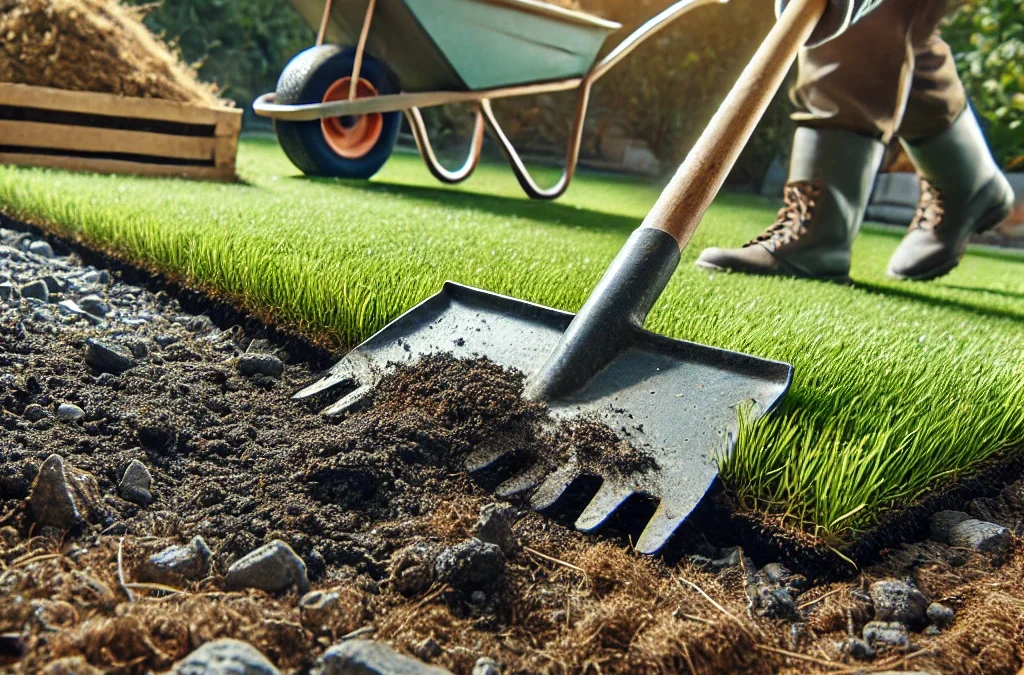
Artificial grass is a popular choice for many homeowners because of its low maintenance requirements and year-round green appearance. Similar to natural grass, artificial turf can also be prone to damage. It is important to understand the causes of artificial grass damage, including natural factors like weather and human factors like improper usage, to ensure its longevity.
This article will explore the common types of damage, preventative measures, and methods to repair damaged artificial grass, ensuring that your lawn stays in good condition.
Causes of Artificial Grass Damage
Artificial grass damage can be caused by various factors, including UV radiation, heat, heavy objects, sharp items, chemicals, and pet urine.
Continuous exposure to ultraviolet (UV) rays can result in fading and deterioration of the artificial grass fibres, causing them to become brittle and prone to breakage.
Prolonged exposure to heat can diminish the resilience of the artificial grass and cause a loss of colour vibrancy, resulting in a less appealing appearance. Physical damage from heavy objects or sharp items can tear or puncture the turf, diminishing its durability and lifespan.
Chemical damage from exposure to harsh cleaning agents or pesticides used for artificial grass maintenance can react with the materials, leading to discolouration and deterioration.
Natural Factors
Damage to artificial grass is often caused by various natural factors such as weather conditions, mould growth, infill material quality, installation errors, soil erosion, and inadequate water drainage.
Exposure to harsh weather conditions like extreme heat, freezing temperatures, and prolonged sunlight can accelerate the degradation of the synthetic fibres in artificial grass, reducing its lifespan.
Mould growth tends to occur in poorly drained areas or places with moisture accumulation, leading to unsightly patches and potentially compromising the grass’s durability.
The choice of infill material is critical as it provides stability to the artificial turf, preventing shifting and uneven surfaces.
Proper installation techniques are essential to avoid issues like wrinkles, creases, and poor drainage.
Soil erosion can also impact the surface stability of artificial grass, causing uneven wear and tear over time.
Implementing effective water drainage systems is crucial to prevent pooling and maintain the long-term quality of artificial grass.
Human Factors
Various human factors and environmental influences contribute to the damage of artificial turf. Excessive foot traffic is a common factor that results in wear patterns and compaction, leading to deterioration of the turf’s appearance and structural integrity over time.
Improper use of maintenance equipment, such as industrial cleaners, or applying incorrect pressure can cause irreversible damage. Harsh cleaning products can lead to discolouration and breakdown of the fibres. Prolonged sun exposure without adequate UV protection can cause fading and weakening of the synthetic materials.
Additionally, inferior synthetic materials and low-quality artificial turf made with substandard materials are more prone to fray and disintegrate, exacerbating the effects of wear and tear.

Common Types of Damage
Common types of damage and deterioration of artificial grass include discolouration, fading, staining, moisture retention, structural strain from excessive weight, improper installation, degradation in dry conditions, degradation under high temperatures, and the disadvantages of low-quality materials.
Discolouration is typically caused by exposure to sunlight and can result in a loss of colour vibrancy in the grass. Fading is a gradual process that occurs over time due to exposure to the elements, making the synthetic turf appear dull. Staining can occur from substances such as oil, grease, and food, leaving unsightly marks on the artificial grass. Improper draining can lead to moisture retention, which can subsequently result in mould and mildew growth. Excessive weight can cause structural damage, leading to the turf becoming flat or developing uneven surfaces. Improper installation can result in buckling or wrinkling of the artificial grass.
Turf Burn
Turf burn on artificial grass is the visible and often irreversible damage caused by friction, abrasion, impact damage, exposure to harsh cleaning agents, and improper handling to synthetic turf of the same name.
Friction occurs when repeated foot traffic or the movement of sports equipment, such as studs on a football pitch, generates a force that degrades the artificial grass fibres, making them more susceptible to damage.
Abrasion results from intense rubbing or sliding against the turf surface, leading to fraying and degradation of the top layer.
Impact damage occurs when heavy objects are dropped or dragged across the synthetic turf, leaving permanent marks and indentations.
Exposure to harsh cleaning agents can harm the turf’s structure, increasing the risk of tears and discolouration. Improper handling, such as dragging furniture or sharp objects across the turf, can also cause turf burn.
Tearing and Ripping
The tearing and ripping of artificial grass are commonly caused by excessive force, mechanical damage, continuous foot wear, and neglect of necessary maintenance practices. These factors can lead to unsightly tears and structural weaknesses in the synthetic turf.
Excessive force on artificial grass, whether from heavy objects placed on the turf or aggressive activities, can result in tearing and ripping, compromising the overall appearance and durability of the surface. Mechanical damage, such as using sharp tools or equipment on the grass, can cause irreversible harm that may necessitate costly repairs. Continuous foot wear, especially concentrated in certain areas, can gradually wear down the fibres, creating weak points susceptible to tearing.
Neglecting maintenance tasks like infill redistribution, grooming, and regular inspections can accelerate the deterioration process, making the artificial grass more vulnerable to damage.
Discoloration and Fading
Issues such as insufficient protection, inadequate sun exposure, poor airflow, lack of regular grooming, and improper watering practices can cause discolouration and fading in artificial grass, leading to the grass losing its lustre and appearing old and worn out.
Decay in artificial grass can be accelerated by prolonged exposure to harsh weather conditions such as extreme heat or heavy rainfall, resulting in colour fading and a reduction in the grass’s lustre. Failure to periodically replenish the infill material or the use of inappropriate cleaning agents may also contribute to the discolouration of the artificial grass itself.
To prevent discolouration and fading and ensure that artificial grass maintains its vibrancy and lifespan, it is essential to provide adequate protection against UV exposure, ensure proper drainage for adequate air circulation, regularly groom the grass by brushing the fibres to prevent matting, and consistently water the artificial grass to promote healthy growth.
Preventing Damage to Artificial Grass
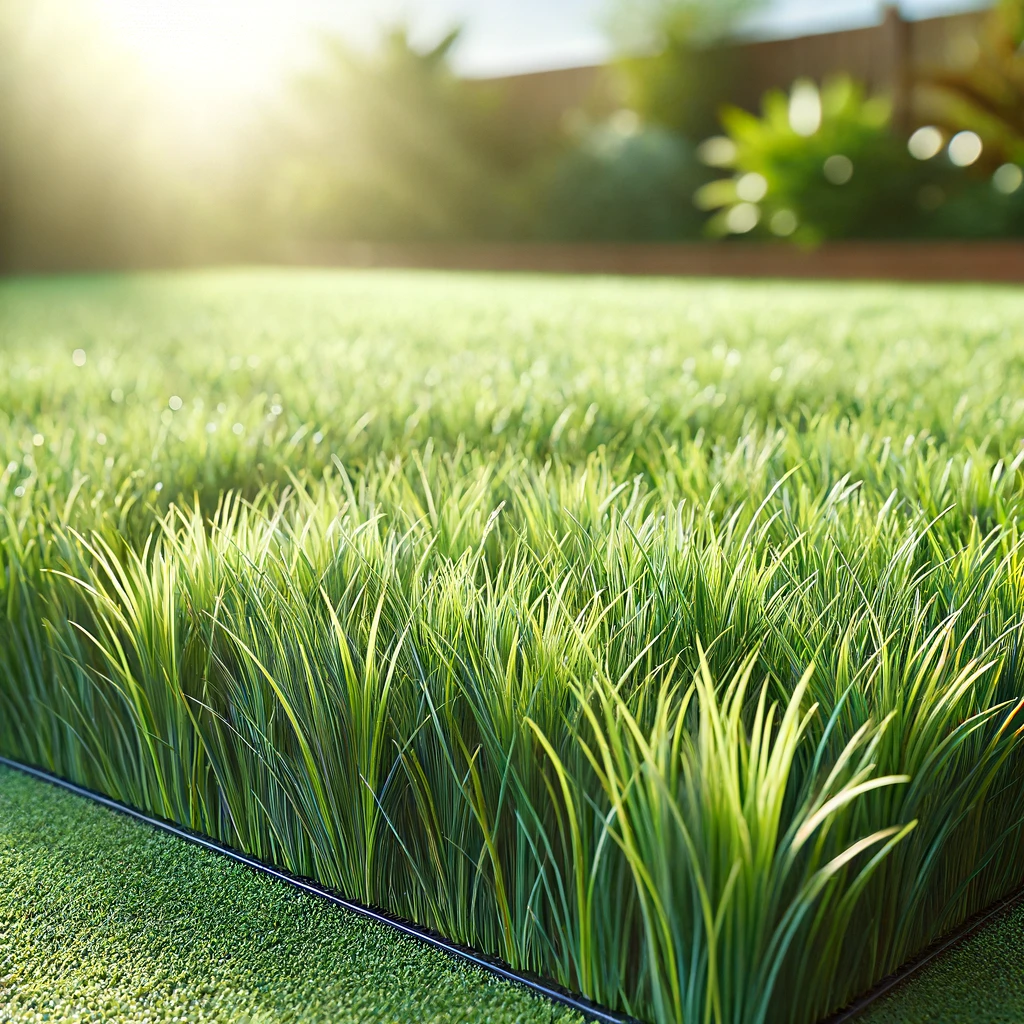
Prevention of damage to artificial grass can be achieved through various methods, including:
- Proactive maintenance involving regular cleaning and grooming
- Proper infill distribution
- Consistent brushing techniques to maintain aesthetics and prevent matting
- Regular rotation of the pitch to distribute traffic evenly
- Timely repairs to prevent minor problems from escalating
- Scheduled periodic inspections to identify potential problems early
- Implementing protective measures such as installing barriers or warning signs
- Adopting preventive strategies like managing foot traffic and limiting animal movement
- Effective weed control to keep the surface free from unwanted invaders
Proper Maintenance and Care
Proper maintenance and care for artificial grass involve selecting cleaning products carefully, using the right maintenance equipment, managing sun exposure, controlling foot traffic, managing the impact of weather conditions, controlling environmental factors, preventing soil erosion, maintaining efficient water drainage, managing pests, and controlling weeds. The following are the most important factors to consider when maintaining artificial grass correctly:
- Opt for mild, non-toxic cleansers. It is essential to select cleaning products that are gentle and non-toxic to avoid damaging the artificial grass fibres and the environment.
- Choosing the right maintenance equipment is crucial for the upkeep of artificial grass. Use tools that are gentle on the grass while effectively removing debris. Regular brushing is recommended to eliminate dirt and debris, and it should be done monthly while inspecting for weeds, pests, or any damage.
- Employ shading structures or UV protectant sprays to manage the impact of sunlight on artificial grass. While installing shading structures may not be feasible for most lawn areas, using UV protectant sprays can help protect the grass from the sun’s harmful rays. Apply these sprays once or twice a year to maintain the grass’s quality.
- Reduce foot traffic on the artificial grass by creating designated pathways in the garden to encourage people to walk on them instead of the grass. Provide ample outdoor seating areas to discourage people from sitting on the grass.
- Monitor weather conditions and adjust maintenance routines accordingly. Artificial grass can be maintained throughout the year, but it is crucial to adapt maintenance practices based on the weather. For instance, during prolonged periods of rain, increase the frequency of brushing and consider using a fungicide if mould growth is suspected.
Protective Measures
Protective measures for artificial grass include:
- Installing protective barriers
- Discouraging improper usage
- Protecting against external elements
- Avoiding excessive force
- Preventing mechanical damage
- Implementing snow removal measures
- Using ice melt techniques
to preserve the integrity and appearance of synthetic turf.
To safeguard against damage from heavy objects, vandalism, or unforeseen circumstances, a protective barrier should be installed around the perimeter of the artificial grass facility. This barrier will deter unauthorized access and establish a physical boundary marking the limits of the turf area, thereby preventing accidental trampling or intrusion.
Measures to prevent excessive force involve educating visitors, athletes, and maintenance staff on the proper use of footwear and emphasizing the importance of avoiding sharp or heavy tools that could puncture or tear the synthetic material.

Repairing Damaged Artificial Grass
In terms of repairing damaged artificial grass, the decision hinges on balancing owner repair attempts for minor damage with seeking professional help for major damage caused by poor maintenance, heavy machinery use, or other serious factors.
Homeowners have a variety of DIY solutions available for minor artificial grass damage. Small tears or holes can be patched using adhesive repair kits found at most hardware stores. Blades that are bent or frayed can typically be trimmed with scissors to restore the turf’s smooth appearance.
However, more severe issues like large rips, extensive wear and tear, or damage from heavy machinery use will necessitate professional assistance. Heavy machinery use can harm both the turf and its underlying layers, while improper maintenance can result in more significant and long-lasting damage. Attempting to address such damage without proper training can potentially worsen the situation and lead to costlier repairs down the line.
DIY Fixes
DIY fixes for damaged artificial grass include using maintenance equipment, selecting cleaning products, problem-solving for damage due to poor installation, and addressing damage due to lack of maintenance.
The most important part of artificial grass maintenance is a regular inspection for damage or wear. When minor damage such as small tears or burnt patches is noted, adhesive compounds specifically created for artificial turf repairs can be used. Flattened areas can be fluffed using a stiff brush. Debris and organic matter should be removed to prevent mould growth and ensure proper drainage.
Being proactive about maintenance can help DIY enthusiasts ensure their artificial grass lasts for decades to come.
When to Call a Professional
Recognising the importance of knowing when to engage a professional for repairing artificial grass damage is evident in instances of artificial grass durability concerns, colour fading, inadequate maintenance, and instances of severe neglect that may necessitate professional assistance to restore synthetic turf.
Indications that prompt seeking professional assistance for repairing artificial grass damage include visible wear and tear in high-traffic areas, noticeable fading and discolouration due to prolonged exposure to harsh sunlight or chemicals, as well as issues with drainage or infill distribution.
Neglecting to address such issues can result in irreversible and permanent damage, such as matted or balding patches, which can significantly impact the overall appearance and functionality of the artificial grass. Timely intervention by experts can ensure optimal repair of artificial grass, preserving its lifespan and aesthetic attributes.
Recent Comments