
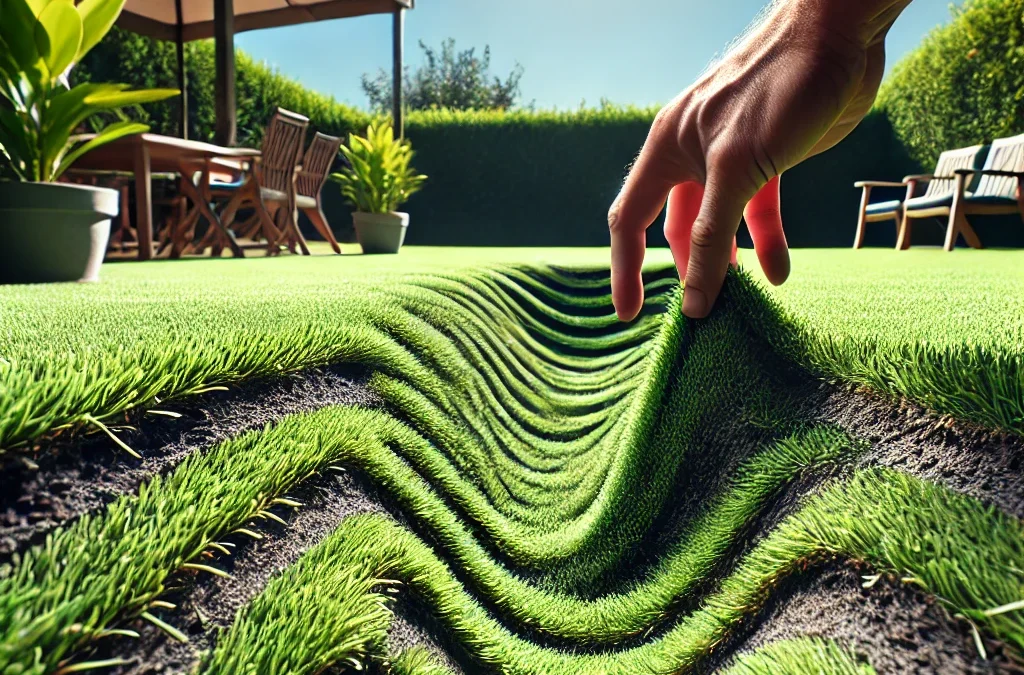
Artificial grass has become increasingly popular as a low-maintenance substitute for natural grass. However, it is important to carefully evaluate the pros and cons of installing artificial turf compared to other options.
This section will discuss the benefits and advantages of artificial grass, its drawbacks and alternative choices, as well as guidelines on maintenance and disposal of artificial grass.
What is Artificial Grass?
Artificial grass, commonly known as synthetic fibres designed to mimic natural grass. It is primarily used for landscaping, sports fields, and playgrounds as a substitute for real grass. The material composition of artificial grass typically includes a combination of polyethylene, polypropylene, and nylon, providing durability, weather resistance, and low maintenance, ensuring a consistent green appearance throughout the year.
The applications of artificial grass extend beyond residential and commercial areas to schools, airports, and other high-traffic locations. A significant advantage of artificial grass is its water-saving properties, requiring much less irrigation than natural grass, thus serving as an environmentally friendly option.

Benefits of Artificial Grass
Artificial turf offers several advantages, including reduced maintenance requirements, enhanced aesthetics, and decreased water consumption compared to natural grass. This landscaping option is both sustainable and visually pleasing, contributing to water conservation efforts.
Advantages over Natural Grass
Artificial grass offers several advantages over natural grass, including reduced water usage, increased durability, and extended product life. The visual appeal and functionality of artificial grass can be maintained without the necessity of regular watering or extensive upkeep. This makes artificial grass a cost-effective and eco-friendly solution for homeowners and business owners seeking to cut down on water expenses and minimise environmental impact.
Unlike natural grass, artificial grass does not need mowing, fertilizing, or pesticide application, resulting in significant time and cost savings in the future. Contemporary artificial grass closely resembles real grass, providing a lush and green landscape throughout the year.
Negatives of Artificial Grass
Artificial grass has drawbacks such as maintenance requirements, environmental impact concerns, and potential health and safety hazards.
Environmental Impact
The environmental impact of artificial grass includes concerns related to water runoff, its ecological footprint due to non-biodegradability, and disposal at the end of its life. Artificial grass can exacerbate drainage issues by preventing precipitation from being absorbed into the ground, leading to increased surface runoff and potential flooding. The significant ecological footprint of synthetic turf is attributed to the use of non-renewable materials, such as petroleum-based plastics, which contribute to carbon emissions and resource depletion. Disposal of artificial grass poses challenges as the materials used are often not easily recyclable or biodegradable, raising concerns about long-term environmental impact and the need for proper waste management strategies.
Health Concerns
The health concerns associated with artificial grass include safety hazards, potential exposure to toxic chemicals, and risks to pet health from prolonged contact with synthetic materials.
Safety hazards of artificial grass include heat retention, which can cause the artificial grass to become significantly hotter than natural grass, potentially resulting in burns to individuals who come into direct contact with it in high outdoor temperatures.
The toxic chemicals found in some artificial grass materials, such as lead and phthalates, have the potential to leach into the environment and be ingested by pets, leading to severe health complications.
It is crucial for individuals to be aware of these risks and take appropriate measures to prevent any potential harm to themselves, their families, and their pets.
Alternatives to Artificial Grass
Alternatives to artificial grass encompass alternative grass types, landscaping designs, and eco-friendly solutions that replicate the appearance of natural grass.
Other Options for Lawns and Landscaping
Natural grass varieties offer alternative options to artificial grass for lawns and landscaping, addressing concerns such as soil compaction, erosion control, and environmental sustainability. One such grass type is fescue grass, known for its deep root system that helps alleviate soil compaction and prevent erosion with its dense growth pattern.
Clover, an environmentally friendly grass type, can be blended with other grasses to enhance soil health by fixing nitrogen in the soil, reducing the reliance on fertilizers. These natural grass alternatives not only enhance the aesthetic appeal of outdoor spaces but also promote sustainable landscaping practices.
Maintaining and Disposing of Artificial Grass
Maintain the artificial grass property with proper care and as needed to ensure optimal performance and lifespan in accordance with the manufacturer’s guidelines. This will help avoid premature replacement.
Recycle artificial grass materials for repurposing in other products. At the end of its life cycle, artificial grass can be recycled and utilised in various non-turf products.
Recycle the infill. During replacement of artificial grass, the infill can be separated and reused in the new installation.
Choose high-quality artificial grass products that are designed for easy recyclability. Premium artificial grasses use recyclable materials that can be repurposed in other products.
Tips for Proper Care and Disposal
Proper care and disposal of artificial grass involve regular maintenance, considerations for compostability or recycling of materials, and implementing environmentally friendly practices to ensure a sustainable approach to synthetic turf management.
Regular maintenance is essential to preserve the quality and appearance of artificial grass. Preventing matting and surface damage is achieved through regular brushing of the turf. It is important to regularly remove debris such as leaves and twigs to avoid blockage of drainage holes that could result in flooding. Periodic rinsing with water helps eliminate dust and dirt, preventing colour pigments from fading by blocking sunlight.
In terms of disposal, composting organic waste and recycling synthetic materials are two viable methods to minimise environmental impact and promote sustainability.
Recent Comments