
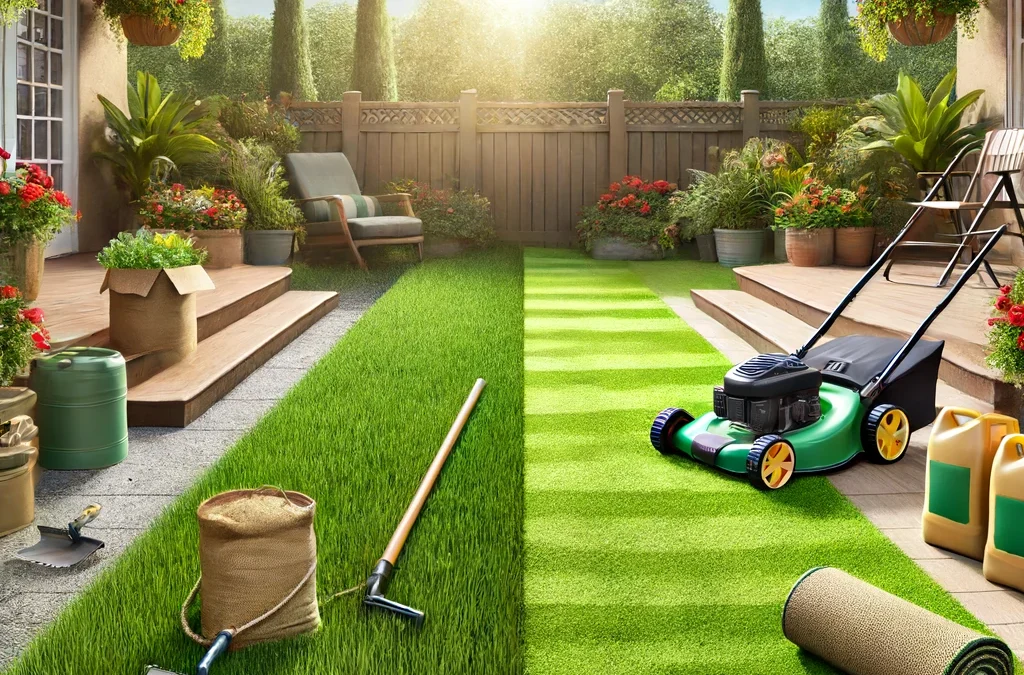
The article explores the cost differences between turf and artificial grass, covering aspects like initial installation costs, maintenance expenses, and long-term costs. It delves into the main factors influencing the cost disparity, including labor, raw material expenses, and transportation costs.
The comparison also evaluates the advantages and disadvantages of turf versus artificial grass, with a focus on their environmental impact.
To determine the more cost-effective option between turf and artificial grass, conducting a thorough cost-benefit analysis considering factors relevant to your landscaping preferences is essential.
What are Turf and Artificial Grass?
Turf and artificial grass are synthetic alternatives to natural grass commonly used in landscaping, sports fields, and residential lawns. Turf is known for its durability and resistance, making it suitable for high-traffic areas like sports fields. On the other hand, artificial grass offers homeowners a low-maintenance option for achieving a lush green lawn without the necessity of regular watering and mowing.
Both turf and artificial grass offer aesthetic appeal and can be tailored to specific design preferences. Whilst turf may need occasional grooming to preserve its appearance, artificial grass requires minimal to no maintenance, making it ideal for those seeking a hassle-free landscaping solution.

Cost Comparison of Turf and Artificial Grass
When comparing the costs of turf and artificial grass, it is important to consider both the upfront and long-term expenses. Although artificial grass may require a higher initial investment, its long-term affordability and potential savings make it a cost-effective choice for various landscaping projects.
Initial Installation Costs
The initial installation costs of turf and artificial grass depend on factors such as the materials used, amount of labour involved, and whether the installation is carried out by professionals or as a DIY project. Understanding the installation process and methods can assist in estimating the upfront costs for your specific requirements.
The type of materials chosen for turf and artificial grass can significantly impact the overall cost. Opting for lower quality materials may be cost-effective initially but could compromise durability and aesthetic appeal in the long run. Conversely, selecting higher quality materials may entail higher upfront costs but offer better longevity and visual appeal.
Labour costs are typically higher for professional installations but can result in a quicker and more precise outcome. DIY projects tend to be more budget-friendly initially, although they require a substantial investment of time and effort. Additionally, the installation method employed, such as laying the turf over existing grass or involving ground preparation, also influences the total installation expenses.
Maintenance and Long-Term Costs
Both turf and artificial grass incur maintenance costs, but the long-term costs of these materials are influenced by factors such as durability, maintenance requirements, and environmental benefits. Maintenance costs and water savings are integral components of the total cost of ownership for both materials.
Turf, although requiring regular mowing, fertilisation, and watering, is more durable than artificial grass and can withstand heavy foot traffic. On the other hand, artificial grass necessitates periodic cleaning to prevent debris accumulation but does not require watering or mowing, resulting in lower ongoing maintenance expenses in the long run. The savings on water bills and reduced maintenance costs associated with artificial grass can outweigh the initial installation cost, making it a cost-effective and environmentally friendly landscaping choice.
Additionally, artificial grass contributes to reduced environmental impact by eliminating the need for harmful pesticides and fertilisers, promoting a greener and more sustainable outdoor environment.
Factors to Consider When Choosing Between Turf and Artificial Grass
The choice between turf and artificial grass depends on the type of landscaping project, the preference for a man-made alternative to natural grass, and the specific grass varieties available in each category. Making an informed decision involves considering a variety of factors and different landscaping requirements.
Climate and Weather Conditions
The local climate and weather conditions are factors that determine whether turf or artificial grass is suitable for a specific location. Factors such as temperature ranges, types of precipitation, and overall weather resilience impact the performance and durability of both types.
For instance, in regions with high temperatures and direct sunlight exposure, artificial grass might be a better option due to its UV-resistant properties that prevent fading and maintain a green appearance. In areas with frequent precipitation, natural turf is typically the preferred choice because of its superior drainage capabilities, reducing the risk of waterlogging and supporting healthy growth.
Choosing between turf and artificial grass based on local weather conditions can ensure the selected surface thrives and remains visually appealing.
Intended Use and Durability
When choosing between turf and artificial grass, the most important factors to consider are the intended use and desired durability. Understanding the longevity and resilience of turf and artificial grass for specific landscaping or sports field applications is crucial for potential buyers.
For instance, when selecting turf for a high-traffic sports field, durability is paramount to ensure it can withstand the intense usage. On the other hand, artificial grass may be more suitable for low-maintenance landscaping due to its longevity and minimal upkeep requirements.
Factors like UV resistance and drainage capabilities also influence the durability of artificial grass and turf, making it essential to consider these aspects when evaluating the intended use scenario.
Pros and Cons of Turf and Artificial Grass
A thorough evaluation of the advantages and disadvantages of turf and artificial grass highlights the strengths and weaknesses of each choice. Synthetic turf offers benefits like reduced maintenance costs and a consistent aesthetic appeal, whereas natural grass provides a more authentic appearance and potentially enhances the resale value by contributing to the overall visual appeal of the property.
Advantages and Disadvantages of Each Option
Artificial turf is often preferred over natural grass due to its low maintenance requirements and consistent appearance. Whilst artificial turf is more popular for landscaping purposes, some individuals believe that natural grass offers a more authentic look and may enhance resale value due to its appearance and positive environmental aspects.
Artificial turf is known for being low maintenance and durable, needing minimal to no watering and mowing throughout its lifespan, which saves homeowners time and money. On the other hand, natural grass necessitates regular watering, mowing, and fertilising to uphold the appearance of healthy, lush grass.
Artificial turf maintains a consistent green look year-round, whilst some argue that the natural variations in colour and texture of natural grass lend outdoor spaces a distinctive and appealing character.
Due to the environmental advantages of green spaces, a real grass lawn is commonly perceived to add more value to a property than artificial turf, although this may vary based on the preferences of potential buyers. A property with natural grass embodies the typical landscaping aesthetic, potentially boosting the resale value of a home compared to an artificial grass lawn, which may be seen as lacking in authenticity and natural charm.
Eco-Friendliness of Turf and Artificial Grass
When considering the eco-friendliness of turf and artificial grass, it is important to weigh their environmental impact, aesthetics, and sustainability factors.
Artificial grass is known to have a more significant environmental impact, yet it offers a consistent appearance and the potential for resale value.
On the other hand, turf may offer more substantial environmental benefits and appeal to the increasing number of eco-conscious consumers looking for sustainable landscaping options.
Environmental Impact and Sustainability
When evaluating the environmental impact and sustainability of turf and artificial grass, considerations include resource consumption, recyclability, and long-term environmentally conscious choices. Making an informed decision that considers the environmental benefits and sustainability factors will often lead to choosing the more suitable option for environmentally conscious consumers.
One environmental aspect to consider is that natural grass demands significant resource inputs in the form of water, fertilisers, and pesticides. In contrast, artificial grass is more sustainable as it does not require these types of inputs, making it a more environmentally responsible choice. The durability of artificial grass offers long-lasting benefits, reducing resource consumption and maintenance, thereby contributing to a more sustainable lifestyle.
Recent Comments