

This article provides a comprehensive guide to artificial grass, discussing its advantages, comparing it to natural grass, guiding on assessing your yard and installing artificial grass, explaining maintenance and care, and examining the cost comparison between DIY and professional installation.
What is Artificial Grass?
Artificial grass, also known as synthetic turf or fake grass, is an environmentally friendly and sustainable alternative to natural grass that provides a realistic appearance while requiring minimal maintenance.
Due to its synthetic nature, it conserves water by eliminating the necessity for regular watering, particularly beneficial in water-scarce regions. The lifelike appearance of contemporary artificial grass is achieved through advanced technology that closely mimics the texture and colour variations of natural grass.
Requiring minimal upkeep, it is an attractive choice for individuals seeking to save time and resources while enjoying a lush green lawn throughout the year.
Benefits of Installing Artificial Grass
Artificial grass, such as synthetic turf, offers several benefits, including its realistic appearance, durability, and low maintenance requirements, making it an environmentally sustainable and eco-friendly choice.
The durability of artificial grass allows it to withstand heavy foot traffic and harsh weather conditions without deteriorating in appearance, ensuring long-term cost-effectiveness. Additionally, artificial grass does not require the regular upkeep that natural grass does.
Its eco-friendly nature is reflected in the elimination of the need for frequent watering, leading to significant water savings and reduced environmental impact.
Advantages over Natural Grass
The advantages of artificial grass over natural grass include reduced maintenance, water conservation, and long-lasting quality. Unlike natural grass, artificial turf requires no mowing, watering, or fertilising. This means that once installed, very little maintenance is needed, making it an excellent choice for individuals seeking a beautiful lawn without the time commitment.
Synthetic turf conserves water as it does not require regular watering like natural grass. Additionally, artificial grass maintains its visual and functional quality for many years, remaining resilient to heavy foot traffic, diverse weather conditions, and UV exposure.
Factors to Consider Before DIY Installation
When considering a DIY installation of artificial grass, it is important to take into account the proper preparation steps, tips, and awareness of one’s own skill level. Begin by assessing the area where the artificial grass will be installed, ensuring that the ground is level and free from debris. Adequate drainage is essential, so check existing drainage systems or plan for appropriate measures. Consider the type of artificial grass that suits the area best and gather the necessary tools for installation. Evaluate your proficiency in cutting, fitting, and securely fastening the grass in place. Conduct thorough research and gain a good understanding of the process to increase the chances of a successful DIY installation.
Assessing Your Yard and Skill Level
The decision to proceed with a DIY installation of artificial grass should be based on an assessment of your garden’s characteristics, your level of familiarity with turf installation, and any previous experience in similar projects or consultations with professionals.
Evaluating your garden involves considering its size and current conditions, as these factors will impact the extent and type of preparatory work required for the artificial grass installation. It is important to assess your own skills, including having a basic knowledge of artificial turf installation techniques and being able to perform tasks such as ground preparation, turf cutting, and securing.
Past experience in landscaping or DIY endeavours may provide additional confidence. If uncertain or unwilling to take the risk, it is advisable to consult with professionals for guidance or have them handle the artificial grass installation.
Step-by-Step Guide to Installing Artificial Grass
To successfully install artificial grass as a DIY project, follow a detailed step-by-step guide that includes the process, recommended materials and tools, techniques, and a comprehensive tutorial for proper installation. Begin by preparing the surface where the artificial grass will be placed, which involves cleaning the area and removing any debris.
Next, measure the installation space to determine the required amount of artificial turf. Gather essential materials such as artificial grass, weed barrier fabric, turf adhesive, and infill material, along with tools like a utility knife, turf cutter, shovel, and stiff brush for cutting and securing the turf.
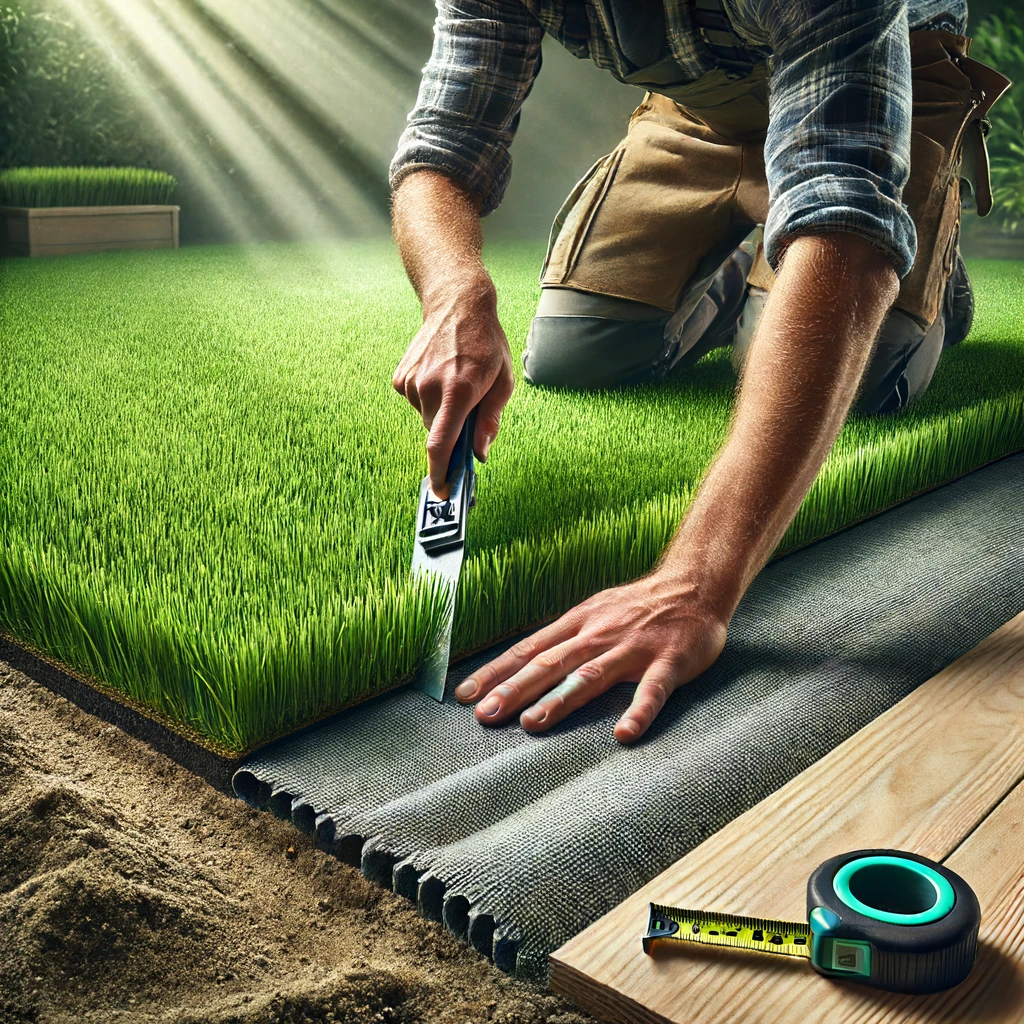
Subsequent steps in the installation process include laying the weed barrier fabric, cutting the artificial grass to fit the area, and applying turf adhesive. Finally, evenly spread the infill material across the grass to achieve a natural appearance and proper drainage.
Preparing the Area
The first steps in DIY artificial turf installation involve obtaining the necessary supplies and equipment, as well as preparing the area according to essential tips to ensure a smooth installation process.
Make sure to have the required supplies such as artificial turf rolls, adhesive for securing the turf, a sharp utility knife for cutting the turf to fit around objects, a spade for removing existing turf, and a garden rake for leveling the ground.
Additionally, a tamper for compacting the soil, weed control fabric to prevent weed growth, and sand infill for added stability are essential.
Ahead of starting the installation, it is crucial to accurately measure the area, clear any debris, and ensure proper drainage to prevent waterlogging.
Laying the Base
In the artificial grass installation process, a solid base layer with proper infill material and a weed barrier is essential to ensure proper drainage and longevity. Proper preparation of the base is crucial for DIY artificial grass installation as it significantly impacts the life of the synthetic turf.
Before laying the weed barrier, ground leveling and compaction should be done. The weed barrier, constructed from porous geotextile fabrics, prevents plant growth beneath the turf. Following this, infill material is evenly distributed over the turf to maintain the blades upright and offer cushioning for foot traffic.
Implementing a proper drainage system is important to avoid water pooling on the surface, which can lead to issues like mold or mildew. A well-installed artificial grass system considers all these components to establish a robust foundation for a visually appealing landscape.
Installing the Grass
The process of installing artificial grass involves making precise measurements, cutting accurately, joining seamlessly, and adding finishing touches for a polished look during a DIY artificial grass installation.
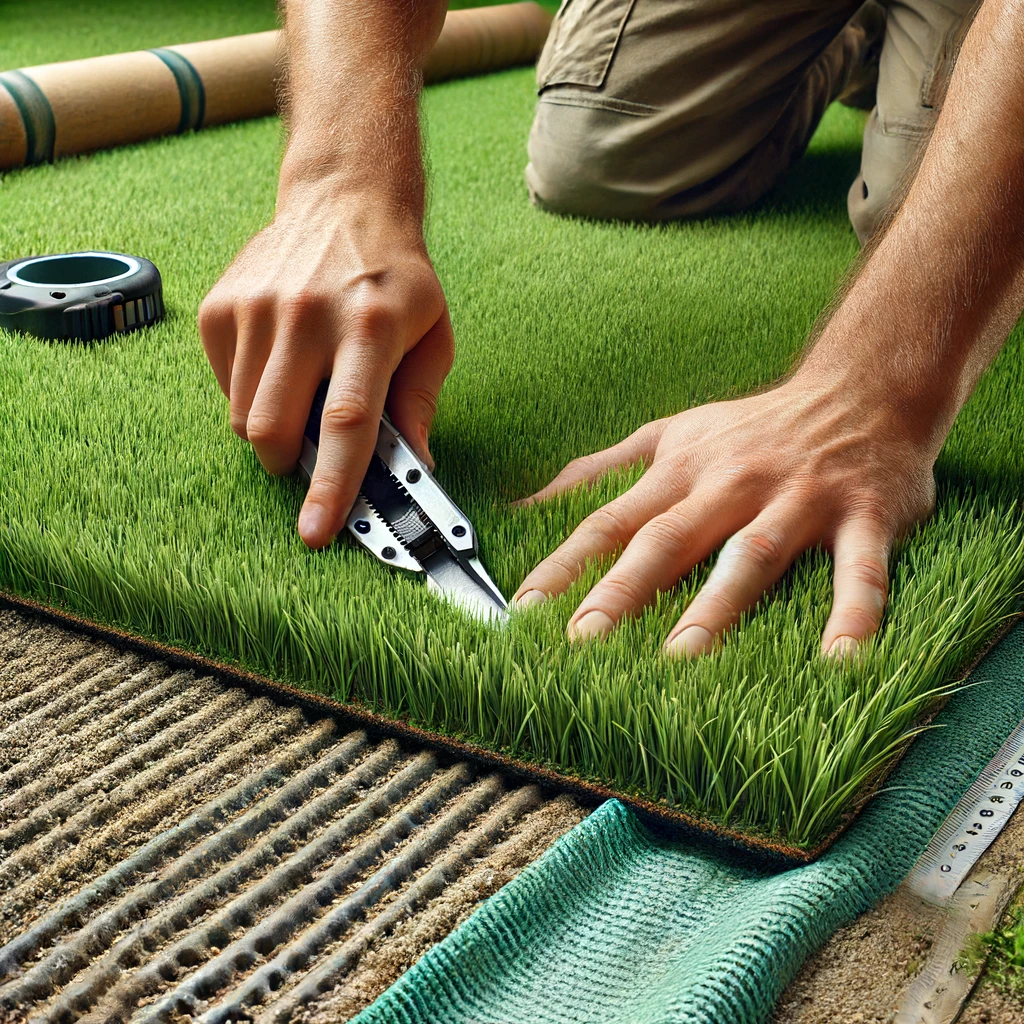
To ensure a successful installation, the first step is to measure the area where you plan to install the artificial grass accurately. This is essential to avoid gaps and overlaps. Cutting the artificial grass is done using a sharp utility knife or specialised grass cutter to achieve precise and clean edges. The different sections of artificial grass are joined using joining tapes and adhesives to create a seamless appearance. Finally, to complete the installation process, the artificial grass should be brushed with a stiff broom to even out the grass and eliminate any creases.
Maintenance and Care for Artificial Grass
Proper maintenance and care for artificial grass include regular cleaning, brushing to maintain its appearance, prompt repairs, and ensuring it is weather-resistant with UV protection. Regular cleaning is essential to prevent the build-up of debris, as naturally occurring leaves, dirt, and twigs can damage the turf over time if not cleaned. Brushing the artificial grass helps redistribute the infill for even coverage and prevents matting. Promptly fixing tears or loose seams through repair procedures can extend the life of your artificial grass. When choosing an artificial grass product, it is important to select one that is weather-resistant and includes built-in UV protection to prevent fading and damage from sun exposure.
Tips for Keeping Your Lawn Looking Fresh
To keep artificial grass looking and feeling fresh and vibrant, the best maintenance tips include regular cleaning, gentle brushing, and proactive care measures. It is important to clear away debris like leaves, twigs, and dirt regularly to prevent the build-up of organic matter that can impact the appearance of artificial turf. Using a leaf blower or stiff brush can effectively remove surface debris. Deep cleaning with a mild detergent solution and water on a scheduled basis can help preserve the grass’s vibrant colour and overall cleanliness. Brushing the fibres in different directions with a stiff brush can prevent matting and maintain a natural look. Proactive care involves inspecting for damages, redistributing infill, and promptly addressing any odorous issues to prolong the life of artificial grass.
Cost Comparison of DIY vs Professional Installation
The costs of artificial grass installation can be compared between DIY and professional services, and in some cases, DIY can be both less expensive and faster. The decision depends on various factors such as the size of the installation area, the complexity of the project, and the availability of tools. These factors greatly influence the cost and speed of installation when comparing DIY versus hiring professional installers.
While a DIY approach may initially appear to have lower upfront costs, any errors made during installation could result in additional expenses to rectify the mistakes, potentially exceeding the cost of a project done by professional installers. On the other hand, professional installers bring their expertise to the project, often delivering a smoother and more durable turf that may require less maintenance in the long term.
To make a decision that aligns with your budget and timeline, consider factors such as your own skill level, available time, and the desired quality of work.
Factors That Affect Cost
To make an informed decision about artificial grass installation cost, it is essential to understand the various factors that come into play. Determining these factors can sometimes be challenging without direct communication with professionals and seeking their guidance or recommendations.
One crucial factor influencing the cost of installing artificial grass is the quality of the artificial grass materials. Higher quality materials may come at a higher price, but they often result in a more realistic and durable finished product compared to lower quality options.
The size of the area to be covered is also a key determinant of cost, as larger areas will require more materials and labour. Additionally, the complexity of the installation process, such as extensive ground preparation or unique landscaping features, can impact the overall cost. It is important to take these factors into consideration when discussing installation options and costs with experts.
Recent Comments